How Ditch Witch and Vermeer Directional Drills Power Modern Fiber Optic Installation?
You’re not the only one who has ever wondered how fibre optic cables are put in the ground without turning whole streets into construction zones. The answer is often found in a very useful tool called the directional drill. Ditch Witch and Vermeer are two of the most trusted names in the business.

In this post, we’ll explain how these machines work and why they are a big deal for fibre optic projects and other utility installations.
What is a drill that goes in a certain direction?
Ditch Witch and Vermeer make directional drills, which are special machines used in Horizontal Directional Drilling (HDD). This method of installing utilities underground without digging up the ground causes very little disruption to the surface. That means less noise, less mess, and no need to dig up roads or landscapes.
How Does It Work? Step by Step
Making a Plan
Before any drilling starts, operators use high-tech electronic locating systems to figure out where the bore path will go. This helps keep the drill from hitting existing utilities and makes sure it goes the right depth and direction.
Making the Pilot Hole
The process begins with a small drill head that can be steered. It is connected to a series of drill pipes and can be moved through soil and rock. People on the ground keep an eye on its location in real time and make changes as needed.
Pumping the drilling fluid
The drill pipe is filled with a mix of water and bentonite, which is a type of clay. This liquid:
Cools down the drill bit
Takes away cuttings
Helps keep the borehole stable
Lessens friction in later stages

Reaming the Hole
After the pilot hole is done, a reamer is used to make the tunnel bigger to the right size, which is usually about 1.5 times the size of the conduit being put in.
Taking the Conduit Back
Finally, the reamer connects to the fibre optic conduit (or other utility pipe) and pulls it back through the hole. What happened? A utility line that is neatly installed and leaves almost no trace on the surface.
Important Parts of a Directional Drill
Drill Head & Bit: Cuts through rock and soil.
Mud Motor: Turns the bit with drilling fluid.
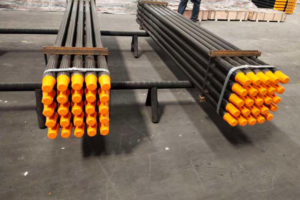
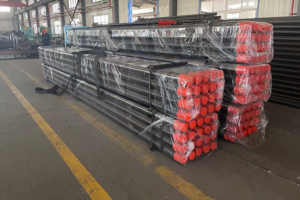
Drill Pipe: This connects the drill rig to the head.
✅ Locator System: Keeps track of depth, location, and angle.
✅ Hydraulic System: Gives the thrust and pullback power.
Fluid System: Pumps and mixes drilling mud.
Why contractors choose Ditch Witch and Vermeer for fibre optics
Precision: Advanced guidance systems make sure that the installation is done correctly.
Efficiency: Saves time and money because it’s faster than open-trench methods.
Minimal Impact: Great for cities, parks, and other places that need to be protected.
Adaptability: It can work on a wide range of ground types, from soft clay to hard rock.
Ditch Witch and Vermeer directional drills are more than just big machines; they are necessary for building the infrastructure of the future right now. They help bring high-speed internet and other utilities to communities with little disruption by making it possible to install things underground quickly, cleanly, and accurately.
We hope this look into the world of trenchless technology was helpful, whether you’re in the business or just want to know more about how it works.
Please leave a comment or share if you have any questions.
SHARE:
More Posts for You
- Choosing the right drill pipe supplier for your Vermeer D16x20
- HDD Drill Rod Bend Radius Calculator: How to Calculate Safety Limits
- Traceability of HDD Drill Rods: The Case for Heat Lots and Serial Numbers
- API 5DP vs API 7-1: Which Standard Actually Controls Drill Rods for HDD?
- Welding or Repairing a Cracked HDD Drill Rod? The Hard No and Safer Alternatives
- Why Mixing Different HDD Drill Rod Brands on the Same String is a Bad Idea
- HDD Drill Rods for Hard Rock vs Soft Ground One Size Does NOT Fit All
- Best Drill Rods for Large-Diameter Pipe Installation (24″ to 60″ Reaming Passes)