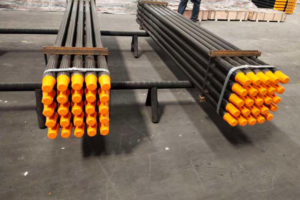
How Long Do Your Trenchless Tools Really Last? A Look at HDD Drill Pipe and Tool Life
If you’re in the trenchless industry, you know that Horizontal Directional Drilling (HDD) equipment represents a significant investment. A common question we hear is, “What’s the typical lifespan of my HDD drill pipe and tools?” It’s a crucial question for budgeting, project planning, and maximizing your return on investment.
The short answer is: There is no single, universal number.
Unlike a car with a 10-year predicted lifespan, HDD equipment longevity isn’t measured in years, but in hours of operation, project conditions, and maintenance practices. A set of tools used gently in soft clay for one project a month will last decades, while the same tools used aggressively in rocky terrain on back-to-back projects might need replacement in a couple of years.
However, we can break down the key factors and provide realistic expectations for different components.
Drill Pipe: The Backbone of Your Operation
Drill pipe is subjected to immense torque, tension, compression, and abrasion. Its lifespan is typically measured in “feet drilled” or “hours of service.”
- Typical Range: A well-maintained and properly used drill pipe can last anywhere from 500,000 to over 1,000,000 feet of drilling. In terms of time, this could translate to 3 to 8 years of active service, depending on workload.
- Key Factors Affecting Lifespan:
- Soil Conditions: Abrasive soils like sand, gravel, and rock are the biggest enemies. They wear down the pipe body and tool joints much faster than clay or silt.
- Maintenance: This is the #1 factor you can control. Proper cleaning, storage, and regular inspection for straightness, thread wear, and wall thickness are non-negotiable.
- Handling: Rough handling on the rack or with machinery can cause dents, bends, and thread damage that drastically shorten life.
- Operator Skill: Pushing the equipment beyond its limits (e.g., excessive torque or pullback force) accelerates fatigue and failure.
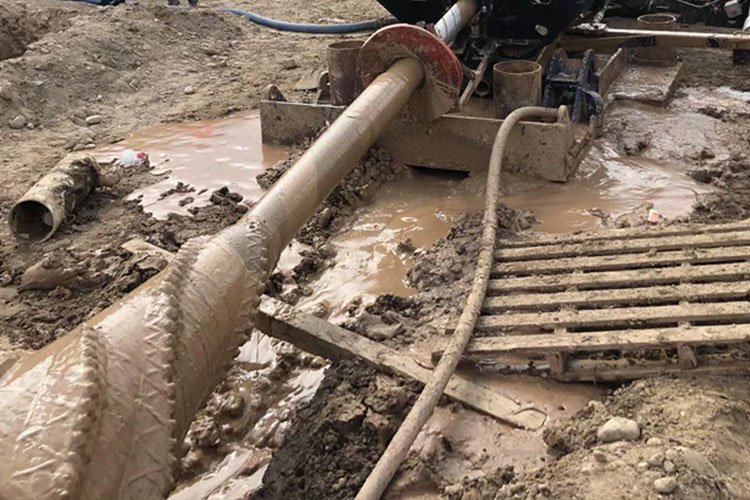
Downhole Tools: The Wear and Tear Champions
Downhole tools—including mud motors, reamers, and bits—live a much harder life than the drill pipe itself. They are in direct, aggressive contact with the formation.
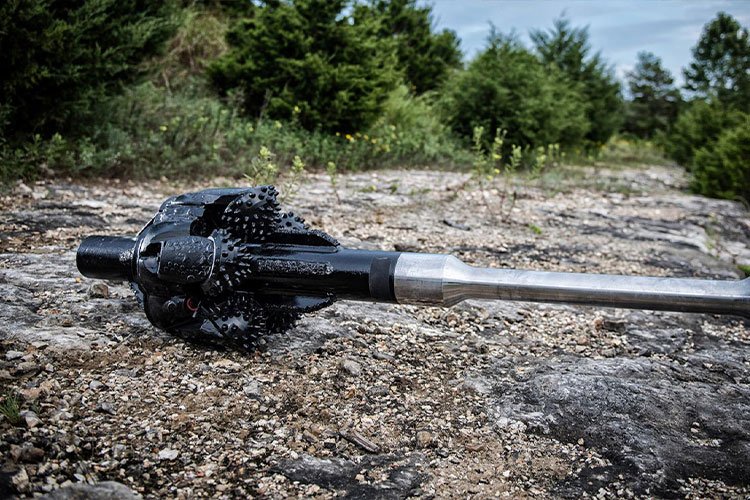
- Bits & Reamers: These are consumables. Their life is measured per job or in feet drilled.
- Tri-Cone Bits: Can last from 50 to 200 hours depending on formation hardness.
- Reamers: Life varies wildly. A reamer for soft soil might last several bores, while one used in rock may be significantly worn after a single, long bore.
- PDC Bits: Generally offer a longer life in compatible formations but can be damaged instantly by impact.
- Mud Motors: A high-value component with a more predictable service interval.
- Typical Lifespan: Most manufacturers recommend a major overhaul or replacement after 200 to 500 hours of operation. Neglecting this can lead to catastrophic failure downhole.
- Factors: The cleanliness and quality of the drilling fluid is critical. Abrasive particles in the mud are the primary cause of motor stator and bearing wear.
Swivels, Subs, and Adapters
These connection points endure high stress and fatigue.
- Lifespan: They can last for several years but require frequent, proactive inspection. Cracks or thread wear in these components can lead to a costly “disconnect” downhole. Many companies replace critical subs and swivels on a preventative schedule based on hours of use.
How to Maximize Your HDD Equipment Lifespan
You have direct control over how long your equipment lasts. Here’s how:
- Invest in Rigorous Maintenance: Create and follow a strict maintenance schedule. This includes:
- Cleaning: Thoroughly clean all components, especially threads, after every use.
- Lubrication: Use the correct, high-quality thread lubricants.
- Inspection: Implement a formal inspection process for cracks, wear, and deformation. Use ring gauges and plug gauges for threads.
- Proper Storage: Store drill pipe and tools on clean, supported racks. Protect them from the elements and physical damage.
- Train Your Crew: Ensure operators understand the limits of the equipment and the importance of proper handling. Gentle make-up and break-out of threads prevent “cross-threading.”
- Use the Right Tool for the Job: Don’t use a soft-ground reamer in rock. Using inappropriate tools leads to rapid failure and potential damage to the entire drill string.
- Keep Good Records: Track the usage hours and footage for each piece of equipment. This data is invaluable for predicting failures and scheduling maintenance.
The Bottom Line
Instead of asking “How many years?”, a better question is “How many hours or feet can I expect, and how can I maximize that number?”
With a disciplined approach to maintenance, handling, and operation, your HDD drill pipe can provide reliable service for 5+ years, while downhole tools will be replaced more frequently as part of your project costs. The ultimate lifespan of your equipment isn’t just a matter of time—it’s a direct reflection of how well you care for it.
Protect your investment. Inspect, maintain, and operate wisely.
SHARE:
More Posts for You
- Choosing the right drill pipe supplier for your Vermeer D16x20
- HDD Drill Rod Bend Radius Calculator: How to Calculate Safety Limits
- Traceability of HDD Drill Rods: The Case for Heat Lots and Serial Numbers
- API 5DP vs API 7-1: Which Standard Actually Controls Drill Rods for HDD?
- Welding or Repairing a Cracked HDD Drill Rod? The Hard No and Safer Alternatives
- Why Mixing Different HDD Drill Rod Brands on the Same String is a Bad Idea
- HDD Drill Rods for Hard Rock vs Soft Ground One Size Does NOT Fit All
- Best Drill Rods for Large-Diameter Pipe Installation (24″ to 60″ Reaming Passes)