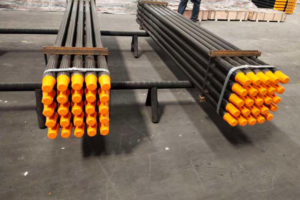
Vise Jaws: More Than Just Metal Blocks?
If you’re like me a few years back, you probably walk past the vise on your rig without giving it a second glance. I mean, it’s just there to hold the pipe, right? How complicated can two chunks of metal be?
I used to think exactly that… until I learned the hard way that the smallest things often teach you the biggest lessons.
That One Rainy Tuesday That Changed My Mind
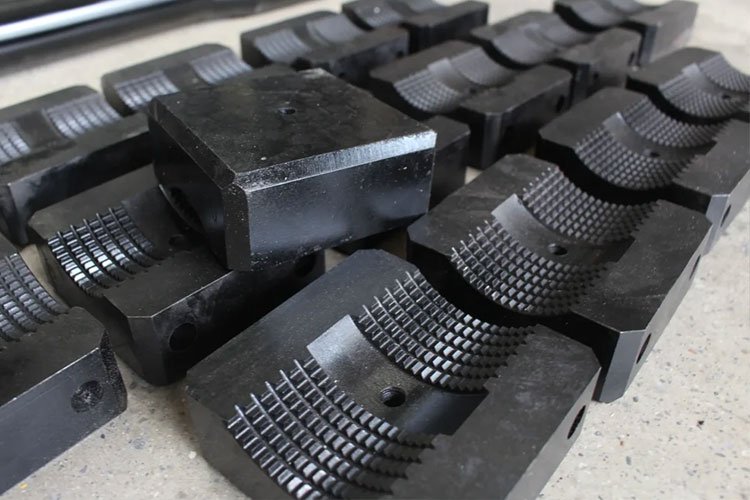
Picture this: We’re halfway through a pullback on a utilities project outside town. It’s drizzling, mud everywhere, and the rig’s vibrating more than my phone on a Friday night. We noticed these faint scuff marks on the pipe—nothing dramatic, but enough to make you raise an eyebrow.
During a break, our seasoned operator, Mike, tapped the vise and said, “Look at these jaws. They’re not just worn—they’re biting all wrong.”
Turns out, someone had mixed jaws from different sets, meant for different pipe grades. They were “holding” the pipe, but in the clumsiest way possible—like using pliers to hold a drinking glass.
That day stuck with me. It wasn’t an equipment failure; it was a quiet, slow drain on pipe integrity. And it clicked: vise jaws aren’t just accessories. They’re your first line of defense for your drill string.
What Are They Really Doing? (Besides “Gripping”)
Let’s break it down without the textbook tone.
Think of vise jaws like the tires on your truck. You wouldn’t put highway tires on a muddy off-road job, right? Same idea here.
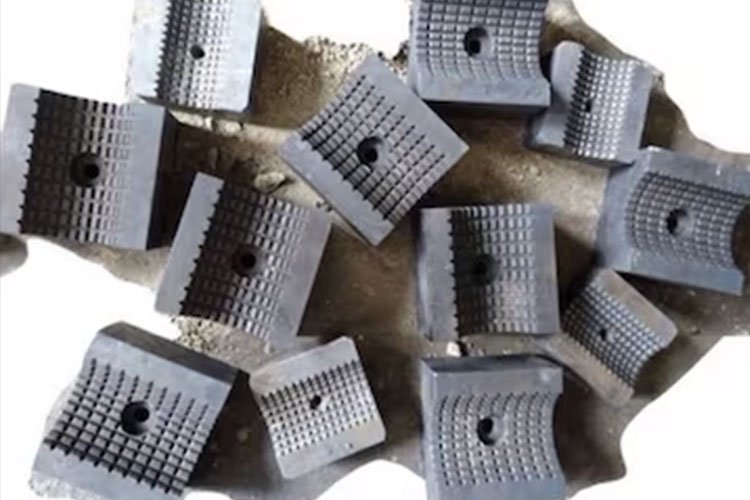
Jaws need to match your pipe’s diameter, grade, and even the type of soil you’re in. Too soft? You risk slippage mid-pull. Too hard or mismatched? You’re basically pinching your pipe every few feet, leaving stress marks that invite fatigue over time.
I like to call them “respectful grippers”—they should hold firm without leaving a mark, like a good handshake. No crushing, no sliding. Just a secure, trustworthy hold.
The “Invisible” Cost of Ignoring Them
Here’s where my early assumptions bit me. I once thought, “If it holds, it’s fine.”
But worn or mismatched jaws don’t usually scream their problems at you. Instead, you might notice:
- Unexplained vibration in the rig
- Premature wear on pipe threads
- Those little scratches or dimples on the pipe body
- Even slightly slower cycle times because the grip isn’t optimal
Over months, those tiny inefficiencies add up—like driving with a slightly flat tire. You’ll still get there, but you’re wasting fuel and risking a bigger issue down the road.
After that rainy Tuesday, I started paying attention. When we finally switched to jaws designed for our specific pipe, the rig just… hummed. It wasn’t a night-and-day revolution, but everything felt smoother. Less worry, more confidence.
How to Give Your Jaws a Little Love (Without Overcomplicating It)
You don’t need to become a vise jaw scholar. Just keep it simple:
- Match them like socks — Use jaws meant for your pipe’s outside diameter and grade. Don’t just eyeball it; check the specs.
- Look for the story they tell — Worn jaws aren’t always obvious. If you see uneven wear patterns, or if the teeth look rounded or shiny in spots, they’re talking to you. Listen.
- Keep them clean — Mud and grit aren’t just abrasive to the pipe; they speed up wear on the jaws themselves. A quick brush-off between sections helps more than you’d think.
- When in doubt, ask — Seriously, I’ve lost count of the times a quick call to a knowledgeable supplier saved me from a guessing game. Sometimes the right jaw isn’t the most expensive one—it’s the one that fits your job perfectly.
A Small Part with a Big Job
At the end of the day, HDD is full of flashy tech and impressive machinery. But it’s often these quiet, unsung components—like vise jaws—that keep the show running smoothly underground, where no one’s watching.
They’re not just metal blocks. They’re guardians of your drill string’s lifespan, and partners in keeping your operation efficient. Ignoring them is like tuning an engine but forgetting to change the oil—everything might work, but not for long, and not at its best.
So next time you’re on the rig, take ten seconds and glance at those jaws. Give ’em a nod. They’re working hard for you.
SHARE:
More Posts for You
- Choosing the right drill pipe supplier for your Vermeer D16x20
- HDD Drill Rod Bend Radius Calculator: How to Calculate Safety Limits
- Traceability of HDD Drill Rods: The Case for Heat Lots and Serial Numbers
- API 5DP vs API 7-1: Which Standard Actually Controls Drill Rods for HDD?
- Welding or Repairing a Cracked HDD Drill Rod? The Hard No and Safer Alternatives
- Why Mixing Different HDD Drill Rod Brands on the Same String is a Bad Idea
- HDD Drill Rods for Hard Rock vs Soft Ground One Size Does NOT Fit All
- Best Drill Rods for Large-Diameter Pipe Installation (24″ to 60″ Reaming Passes)