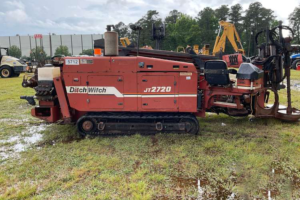
Cost of Horizontal Directional Drilling
you’re wondering about the real cost of horizontal directional drilling, huh? I get this question all the time—sometimes from new folks just stepping into the industry, sometimes from seasoned pros who’ve been burned by unexpected expenses.
Let me tell you, it’s never just about the number on the drill rig’s price tag.
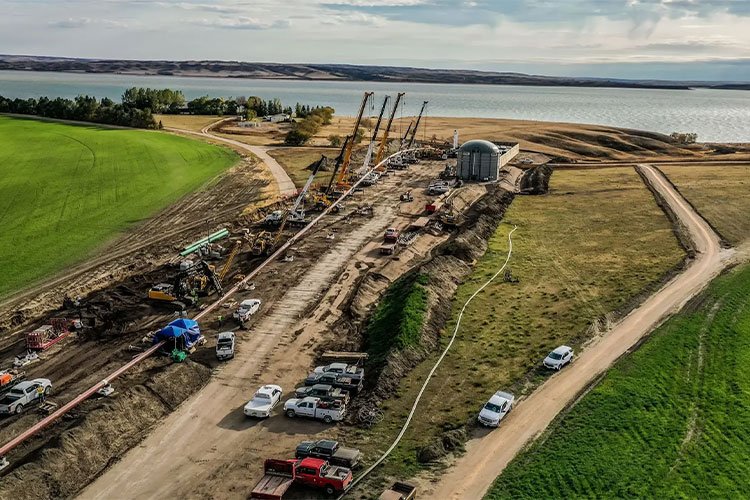
I remember early in my career, I was working with a contractor who kept blowing his budget. He’d calculated everything: machine rental, labor, even the fuel. But his projects kept running over. One rainy afternoon, we sat in his trailer, and he vented, “Where’s all the money going? It’s just a hole in the ground!”
Then it hit me—and him. We weren’t just drilling a hole.
We were managing a chain of tiny, invisible costs that nobody talks about in the brochure.
Think about it like this: you wouldn’t buy a car based only on the sticker price, right? What about fuel efficiency, maintenance, insurance, or even how often you’ll need new tires? HDD is the same.
Yeah, the rig cost is a big chunk. But what about the drill rods?
Are you using ones that fatigue too fast and need replacing every few projects? I’ve seen guys buy cheap rods only to have them fail mid-bore. Suddenly you’re not just losing time—you’re dealing with a stuck string, possible frac-out, and a very unhappy client. That’s not a “cost,” that’s a crisis.
Then there’s the boring stuff—literally. Soil conditions can turn your tidy estimate into a guessing game. Rocky ground? You’ll chew through wear rings and bits like snacks. Wet, sticky clay? Hello, endless mud management and cleaning time.
I once watched a crew spend two whole days just dealing with a slurry mess because they didn’t plan for the right fluid system. Two days of labor, equipment sitting idle, and delayed deadlines. Ouch.
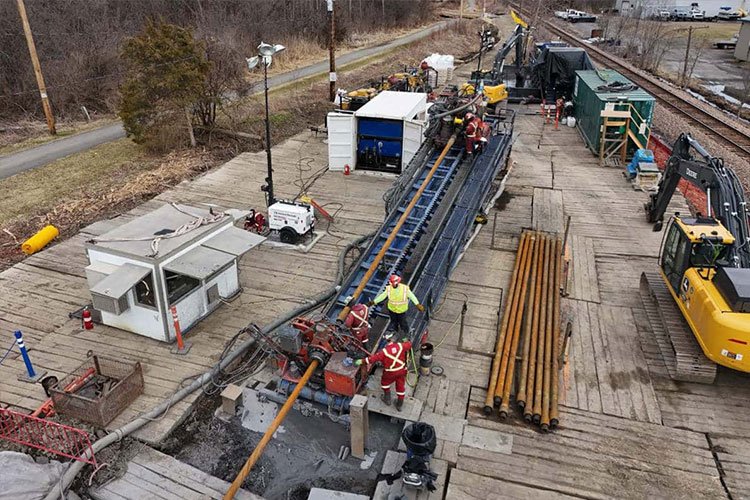
And let’s not forget the “oops” moments. A slightly bent sub or a worn-out coupling might seem small, but in the ground, they create friction, reduce efficiency, and strain your whole setup.
You burn more fuel, your drill head behaves unpredictably, and your locate crew starts having headaches. It’s like trying to drive with a flat tire—you can do it, but everything gets harder and more expensive.
Here’s my “aha” moment from a few years back: We were supplying rods to a team that did regular maintenance and careful inspections. Their rods lasted twice as long as another team that just ran them into the ground. The second team kept saying, “We save money by running tools longer.” But in reality, they spent more on downtime, emergency replacements, and re-drills. The upfront savings were an illusion.
So, what’s the real cost of HDD?
It’s the total story—not just the rig rate per day. It’s the quality and suitability of your drill string. It’s the right tooling for the geology. It’s trained operators who notice small issues before they become big ones. It’s fluid management, locating efficiency, and yes… even the coffee you drink at 2 AM when you’re behind schedule.
My advice? Look beyond the obvious. Sometimes spending a little more on reliable, fit-for-purpose tooling saves you a ton in hidden drama. And always, always factor in the “what-ifs.” Because in our world, the ground always has the final say.
Got your own drilling cost story or a headache you’re trying to solve? Shoot me a message—I love swapping field stories over a virtual coffee.
SHARE:
More Posts for You
- Why Your HDD Rod Threads Keep Rusting (And What I Learned from an Angry Old Man)
- The Day I Had a Warehouse Epiphany About HDD Drill Rods
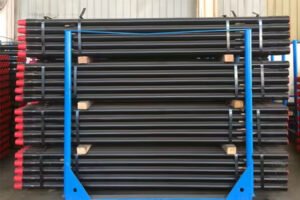
- Where to do Horizontal Directional Drilling (HDD) Shines Actually
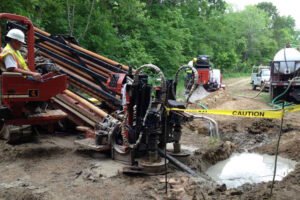
- The Moment I Realized Most People Buy HDD Drill Pipes All Wrong
- So You’re Buying HDD Drill Pipe? Let’s Talk About the Stuff That Actually Matters
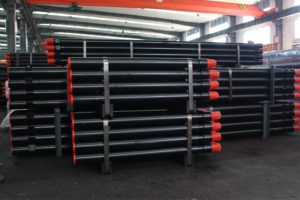
- Maximize Your Ditch Witch Performance with ZHE HDD Drill Pipes
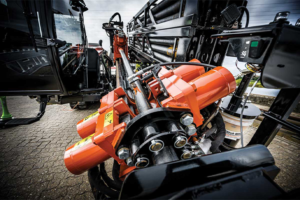
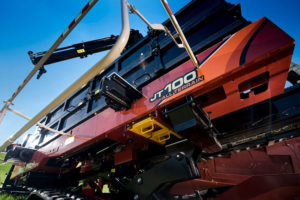
- How ZHE HDD Drill Pipes Make Your Ditch Witch JT100 Work Better and Better
- ZHE HDD Drill Pipes Will Help Your JT2720 Work Better