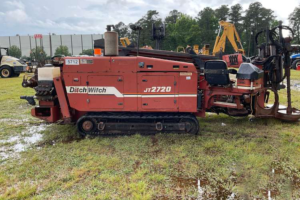
Directional Boring or Horizontal Directional Drilling
That “Stuck in the Mud” Moment
So there I was, standing in mud (again), watching a crew fight with a bore that just wouldn’t track right. The driller was getting frustrated, the locating guy was scratching his helmet, and everyone was just… stuck. We’d all been there, right?
The Blindingly Obvious Thing We All Miss
Then it hit me. We’d been talking nonstop about the drill rig’s power, the locator’s screen, the soil conditions—everything except what was actually underground: the drill string. The backbone of the whole operation. It was like worrying about a car’s paint job while the engine was knocking.
You know that moment when something obvious suddenly feels obvious? That was mine.
Your Drill String is Your Voice Underground
Directional boring—or HDD if you prefer—isn’t just about pushing forward. It’s a conversation. The ground talks back. And your drill string is your voice down there. If it’s not right, you’re basically mumbling through mud.
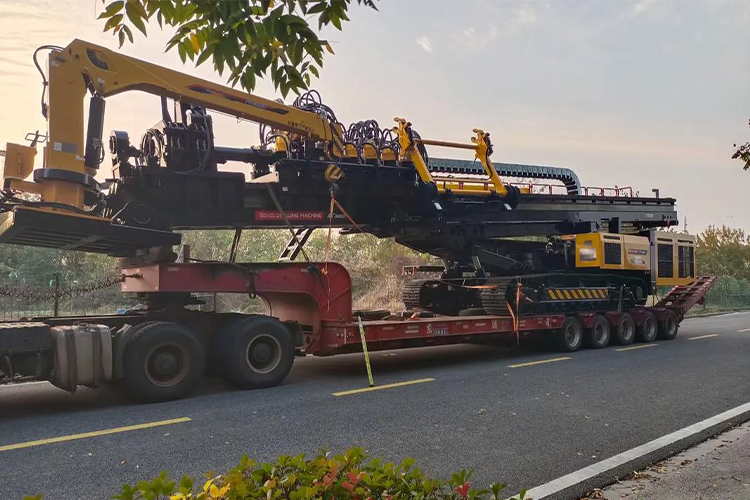
I used to think, “A rod is a rod.” Until I saw a good string handle a tight curve smoothly, and a cheap one just… fight it. The difference wasn’t just specs on paper. It was in the operator’s shoulders—less vibration, less wrestling. It was in the fluid returns. It was in that quiet confidence when the pipe pops up exactly where it should.
Sometimes, It’s the Simple Things
We get so caught up in the big-ticket items. The rig! The technology! But the connection between the machine and the mission? That’s your drill pipe and tools. They’re not just “consumables.” They’re your partners underground.
The “Aha!” Face (My Favorite Part)
One time, a customer told me they kept over-steering in soft clay. We chatted, not about selling, but about why. Turns out they were using a super stiff string for no real reason. Switched to something more flexible for that soil—game changer. The “aha” was on their face, not mine.
My Two Cents: Work With the Ground
So here’s my two cents: sometimes the fix isn’t more power or fancier electronics. It’s the simple thing you’re already holding. The right string for the right ground feels less like forcing it, and more like guiding it.
A Final Thought Before I Check My Boots…
Anyway, next time you’re planning a bore, maybe take a minute with your string. Look at it. Really think about what it’s about to do down there. It’s not just steel. It’s your touch, your control, your way of saying to the ground, “Okay, let’s work together.”
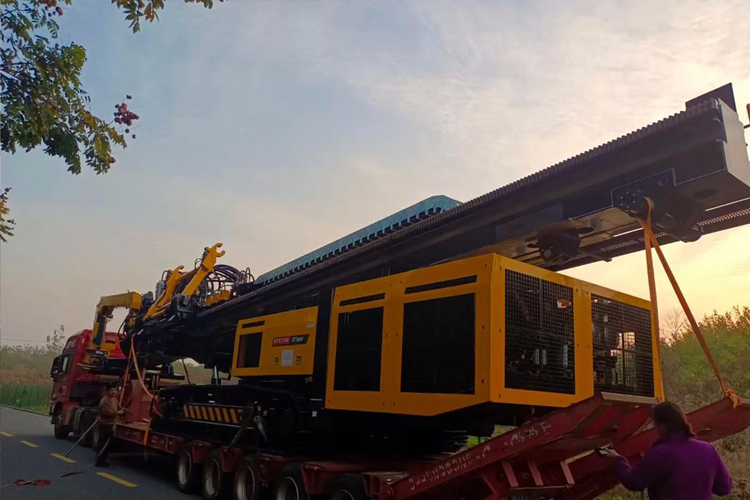
Just a thought from a guy who’s spent too much time in muddy fields.
Catch you on the next bore site. Maybe my boots will be dry this time (doubt it).
SHARE:
More Posts for You
- Why Your HDD Rod Threads Keep Rusting (And What I Learned from an Angry Old Man)
- The Day I Had a Warehouse Epiphany About HDD Drill Rods
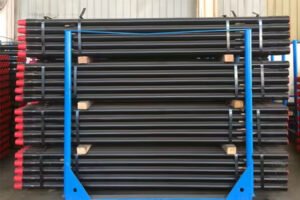
- Where to do Horizontal Directional Drilling (HDD) Shines Actually
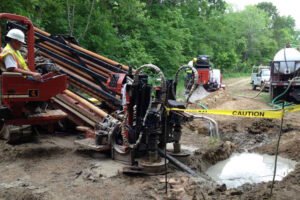
- The Moment I Realized Most People Buy HDD Drill Pipes All Wrong
- So You’re Buying HDD Drill Pipe? Let’s Talk About the Stuff That Actually Matters
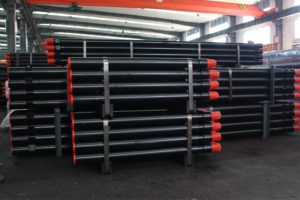
- Maximize Your Ditch Witch Performance with ZHE HDD Drill Pipes
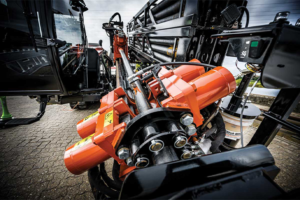
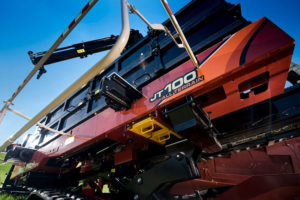
- How ZHE HDD Drill Pipes Make Your Ditch Witch JT100 Work Better and Better
- ZHE HDD Drill Pipes Will Help Your JT2720 Work Better