From Overwhelmed to Confident: How to Choose a Pump That Actually Works for You
You’re thinking about getting a mud pump for your HDD rig, huh? I totally get it—it’s one of those decisions that can feel a little overwhelming, especially when everyone’s telling you to just “go bigger” or “pick the famous brand.” Let me tell you a short story from my early days in this industry…
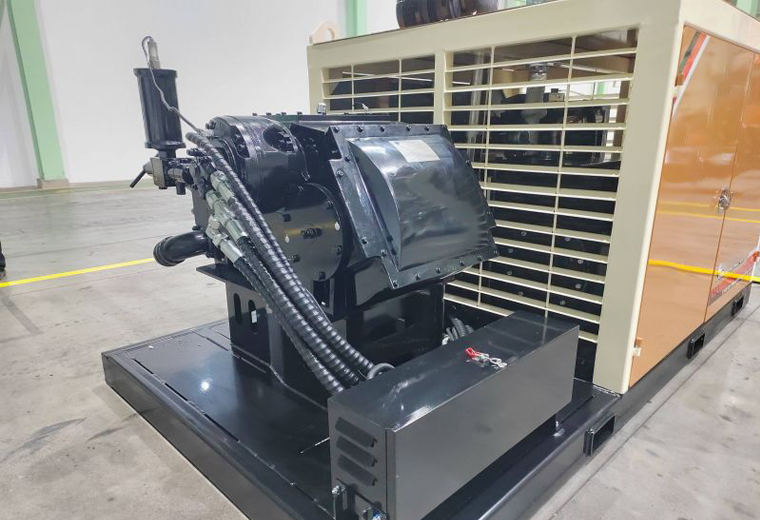
A few years back, I visited a job site where the crew was constantly stopping and starting. The driller looked exhausted. I asked him what was going on, and he just shrugged and said, “The pump keeps choking on thick clay, and we’re losing pressure every time we hit a rocky patch.”
Turns out, they had chosen a pump with great flow rate on paper, but its pressure output wasn’t matching their depth and ground conditions. That was a lightbulb moment for me—it’s not just about moving mud; it’s about moving it with the right pressure for your ground.
So, how do you pick the right one without overcomplicating it?
Start with your rig and your usual ground.
Your drill rig isn’t just a machine—it’s like your work buddy. Check its manual or chat with the manufacturer. What flow range does it work best with? If you’re mostly drilling through soft soil or sand, high flow might be your friend.
But if you often meet clay, gravel, or rock, pressure becomes your best ally to keep the hole clean and tools cool.
Think about pressure + flow as a duo, not solo stars.
A lot of folks focus only on flow (measured in GPM or L/min). But here’s the catch: if your pressure (measured in PSI or bar) is too low, that flow won’t push cuttings out when you’re deep or in tough formations.
I once met a contractor who upgraded to a higher-pressure pump (not necessarily bigger in size), and his bore length improved by almost 20% in mixed soil. He said it felt like the pump was finally “speaking the same language” as his drill.
Don’t ignore the power source.
Are you running on a hydraulic system from your rig, or do you prefer a standalone diesel unit? Hydraulic pumps are super convenient if your carrier has spare hydraulic flow, but if it doesn’t, you might end up robbing power from your drill’s performance.
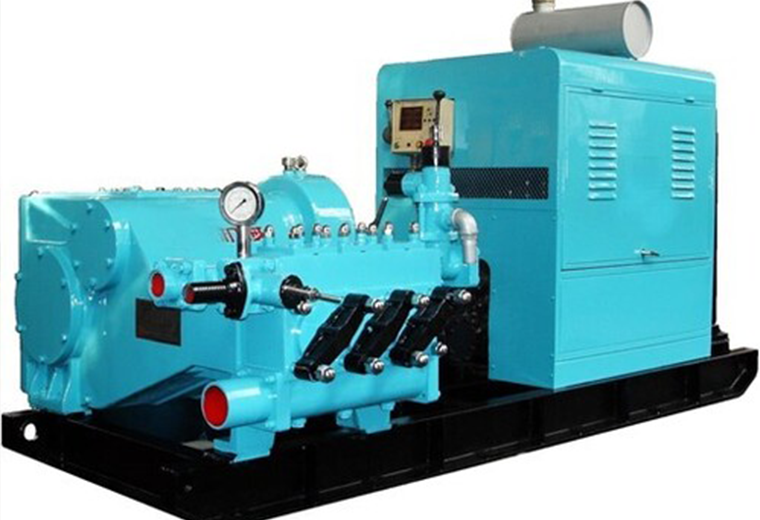
Diesel pumps give you independence but add a bit more noise, fuel logistics, and maintenance. I’ve seen crews switch from one to the other just because their job type changed—there’s no one-size-fits-all here.
Consider the extras everyone forgets.
Like: Can the pump handle the abrasive slurry you’re pumping? Are the valves and liners easy to replace in the field? Is it compact enough to move around your site? One of our longtime customers once told me, “I chose my pump because the suction hose inlet was positioned where my operator wouldn’t trip over it every day.” Real talk—practical details matter more than specs sometimes.
My gentle nudge:
It’s easy to get tempted by the biggest number or the lowest price. But the “right” pump is the one that matches your drilling style, ground conditions, and rig capability. A slightly smaller but well-matched pump often outperforms an oversized misfit.
If you’re unsure, just think about that stubborn clay layer or that rocky stretch you hit last month—what would have made that bore smoother? Sometimes, the best choice comes from looking backward at your past jobs before shopping for the next tool.
SHARE:
More Posts for You
- Why Your HDD Rod Threads Keep Rusting (And What I Learned from an Angry Old Man)
- The Day I Had a Warehouse Epiphany About HDD Drill Rods
- Where to do Horizontal Directional Drilling (HDD) Shines Actually
- The Moment I Realized Most People Buy HDD Drill Pipes All Wrong
- So You’re Buying HDD Drill Pipe? Let’s Talk About the Stuff That Actually Matters
- Maximize Your Ditch Witch Performance with ZHE HDD Drill Pipes
- How ZHE HDD Drill Pipes Make Your Ditch Witch JT100 Work Better and Better
- ZHE HDD Drill Pipes Will Help Your JT2720 Work Better