Not All HDD Drill Rods Are Created Equal (And My Vermeer Taught Me That)
Let’s talk about something we’ve all probably taken for granted at some point: the humble HDD drill rod. That solid, unglamorous piece of steel we thread together and shove into the ground. For years, I saw them as basically expensive metal straws. My wake-up call? It came coated in mud and frustration.
That One Job Where Everything Felt… Wrong.
Picture this. It was a classic utility installation, nothing on the prints looked crazy. We had our Vermeer set up, everything greased and ready. But from the first push, my gut tightened. The rig wasn’t running smooth; it was pulsating and grumbling. The pullback felt hesitant, like it was dragging through an invisible swamp. I kept checking fluid levels, pressures, the alignment—the usual suspects. All good.
The only new variable? A set of rods we’d gotten a “great deal” on. They threaded together fine in the yard. But here, under real load, the story changed. It felt like the whole string had a slight, stubborn wobble to it. We got the job done, but it took longer, drank more fuel, and left both me and my machine feeling worn out. I patted the rig’s frame at the end of the day and actually muttered, “Sorry, buddy.” That’s when it clicked. The rig wasn’t the problem. I had given it the wrong tools to work with.
The “Just a Pipe” Myth (And Why It Costs You).
I used to think strength was the only box to tick. If it doesn’t snap, it’s good, right? That job taught me it’s about so much more. It’s about fidelity—how faithfully that rod transmits every bit of power, rotation, and pull from your rig to the tool.
A sub-par rod might seem strong enough, but it can steal your efficiency in silent ways:
- The Flex Factor: Too much flex under torque eats energy and can throw off your steering precision. It’s like trying to push a stiff rope.
- The Connection Chatter: Imperfect threads don’t just wear fast; they create tiny points of slack and impact. You lose smooth hydraulic force to a series of little shocks. That “chatter” vibrates through your whole string, stressing everything.
- The Consistency Question: If one rod in your string has slightly different metallurgy or heat treatment, it becomes the weak link. Your entire pull is only as strong as that one rod’s worst day.
Geeking Out on the Good Stuff.
After my lesson, I started looking at rods differently. Now, when I hold one, I’m not just seeing a tube. I’m thinking about the story it tells before it even hits the ground.
- The Steel’s Story: It’s not just “hard steel.” Where’s it from? What’s the specific alloy mix? Consistent, high-grade alloy means predictable performance, rod after rod.
- The Heat’s Tale: How was it treated? Proper, controlled heat treatment is what gives it the right balance of toughness (to resist cracking) and hardness (to resist wear). It’s the secret sauce for durability.
- The Thread’s Handshake: This is the partnership point. The thread form needs to be machined with precision, not just cut. A perfect, clean thread engagement seats tightly and evenly, turning many rods into one solid, powerful beam. The plating on those threads? That’s not just for show—it’s corrosion defense for the most critical connection you have.
Your Rig’s True Partner.
Think of your drill rig as the heart of your operation. It’s a brilliant, powerful pump. The drill rods? They’re the arteries. If the arteries are weak, clogged, or inefficient, the heart has to work dangerously hard to move blood.
A premium rod doesn’t fight your machine. It becomes an extension of it. You feel it in the cab—a smoother feed, a steadier rotation, a cleaner pull. You gain control, not just power. You reduce wear on your most valuable asset (the rig itself), and you build in a margin of safety that cheap rods simply can’t offer.
So, next time you’re threading one on, give it a thought. You’re not just adding length. You’re choosing a partner for your rig for the next several hundred feet. Choose one that has your back.
Ever had a similar “conversation” with your equipment? I live for these shop-talk stories. Hit reply and tell me about it.
SHARE:
More Posts for You
- Why Your HDD Rod Threads Keep Rusting (And What I Learned from an Angry Old Man)
- The Day I Had a Warehouse Epiphany About HDD Drill Rods
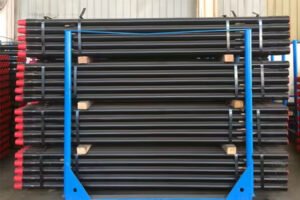
- Where to do Horizontal Directional Drilling (HDD) Shines Actually
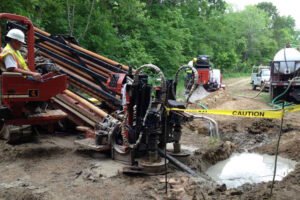
- The Moment I Realized Most People Buy HDD Drill Pipes All Wrong
- So You’re Buying HDD Drill Pipe? Let’s Talk About the Stuff That Actually Matters
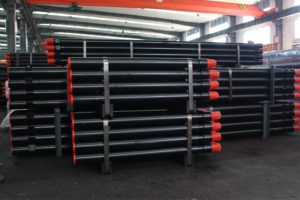
- Maximize Your Ditch Witch Performance with ZHE HDD Drill Pipes
- How ZHE HDD Drill Pipes Make Your Ditch Witch JT100 Work Better and Better
- ZHE HDD Drill Pipes Will Help Your JT2720 Work Better