So You’re Buying HDD Drill Pipe? Let’s Talk About the Stuff That Actually Matters
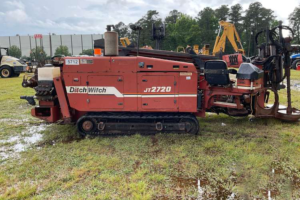
I was standing on a job site last week, watching a brand new rig get delivered. The operator—let’s call him Mike—was psyched. His crew was ready to punch through some gnarly rock, and everything looked perfect.
Except for the pipe.
Mike had ordered what he thought was the right drill rod. The price was right, the specs looked good on paper. But watching him try to make that first connection, I could already see the frustration building. The threads didn’t quite catch the way they should. The whole string felt… stiff. Wrong.
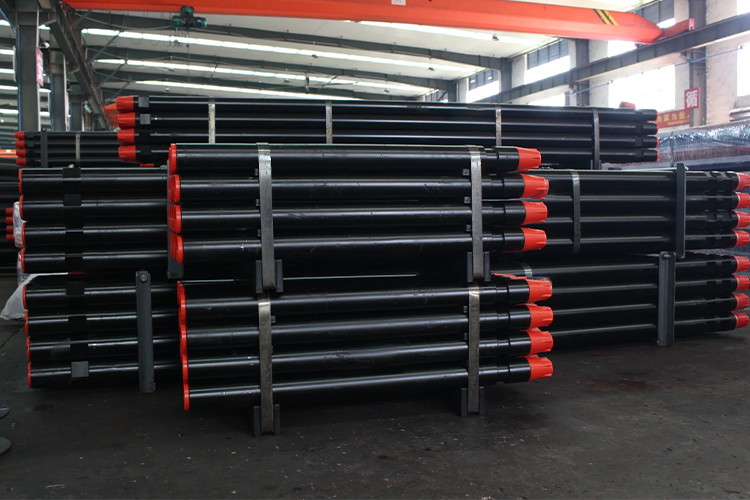
I’ve been doing this for five years now, and I still remember my own “aha” moment when I realized that buying HDD drill pipe isn’t just about matching numbers on a spec sheet. It’s about understanding what those numbers actually mean when you’re 300 feet underground and the torque gauge is climbing.
So grab a coffee. Let’s talk about what actually matters when you’re buying drill pipe. No corporate speak, just the stuff I wish someone had told me when I started.
The “Duh” Moment That Changed Everything
Here’s the thing that took me way too long to learn: HDD drill pipe is fundamentally different from every other kind of drill pipe out there.
I know, I know—sounds obvious, right? But you’d be shocked how many guys show up on site with water well drill pipe because “it’s all the same steel.”
It’s not.
Water well drill pipe is designed to go straight down. It lives its life in compression, just pushing deeper and deeper into the earth. But HDD pipe? Your pipe has to bend. It has to snake under rivers, curve around obstacles, and then survive the nightmare of being yanked back through that same hole while dragging tons of product pipe behind it.
That means your pipe needs to be flexible enough to bend but strong enough to not kink. And that’s not something you can figure out by just looking at the diameter.
Three Numbers You Should Actually Care About
The Steel Grade (Don’t Just Trust “High Strength”)
Every manufacturer slaps “high-strength steel” on their brochure. Big deal.
What actually matters is the yield strength. In our world, S135 is the gold standard—135,000 psi minimum yield strength. That number tells you how much punishment the pipe can take before it says “I’m done” and permanently bends.
I had a customer last year who kept snapping pipe in moderate rock. Nothing crazy, just consistent breakage. We checked his steel grade—turns out he was running pipe rated for 90,000 psi. Switched him to S135, and suddenly his downtime vanished.
The other thing? Ask for the MTR—Material Test Report. Any reputable supplier should hand this over without blinking. If they get squirrelly about it, walk away.
The Connection (This Is Where Pipe Goes to Die)
Here’s a confession: I spent my first two years in this business barely looking at tool joints. I was all about the pipe body—diameter, wall thickness, the obvious stuff.
Then I watched a $50,000 drill string get wrecked because the connections started galling. If you’ve never heard that sound—threads essentially welding themselves together from friction and pressure—be grateful. It’s the sound of your profit margin evaporating.
What to look for:
- Is it fully forged or inertia welded? Fully forged means the whole thing—pipe and tool joint—is one piece of steel. Stronger, but more expensive. Inertia welded is more common and perfectly fine if the weld is done right. Just know what you’re getting.
- Thread design matters more than you think. Good CNC-machined threads with the right profile will last years. Cheap threads will have you fighting stuck pipe every other week.
- Hard fact: In long, curved bores, if your drill pipe’s yield strength dips below 550 MPa, you’re basically asking for stress fractures. The pipe will flex, the stress transfers to your connection, and suddenly you’re fishing.
The Wall Thickness (But Not How You Think)
Everyone looks at wall thickness for strength. Duh.
But here’s the thing nobody tells you: thicker walls also mean stiffer pipe. And in HDD, stiffness can be your enemy.
If you’re doing tight-radius work—like threading under existing utilities in a crowded city—you need pipe that can actually make that bend. Super heavy-wall pipe designed for maxi-rigs will fight you in tight spaces.
So the question isn’t “how thick is the wall?” It’s “what’s the bend radius, and does this pipe respect it?” Exceeding the rated bend radius is the fastest way to induce metal fatigue and watch your pipe snap at the worst possible moment.
The Stuff That Annoys Me (And Should Annoy You)
Thread compounds. Oh man, don’t get me started.
I see crews all the time using whatever grease is lying around, or—worse—nothing at all. Then they wonder why connections are locking up.
Here’s the truth: even perfect threads need the right dope, applied correctly, every single time. And clean threads? Non-negotiable. A little bit of dirt today is a galled connection tomorrow.
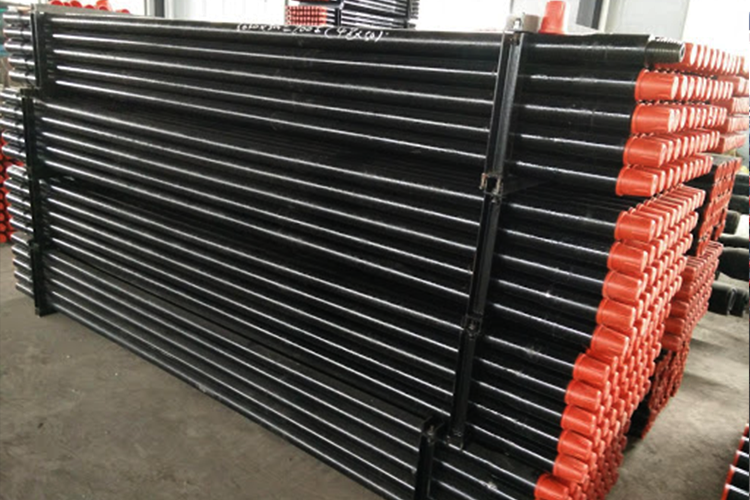
And please, for the love of all that is holy, use thread protectors when you’re moving pipe around. I know they’re annoying. I know they fall off. But dropping a tool joint on the ground and denting the shoulder? That pipe is compromised before it ever goes in the ground.
What I’d Tell My Younger Self
If I could go back five years and have a beer with newbie me, here’s what I’d say:
Stop buying pipe like it’s a commodity.
It’s tempting to shop by price per foot. I get it. Budgets are tight, and pipe is expensive.
But here’s the reality check: cheap pipe that fails halfway through a river crossing isn’t cheap. It’s catastrophic.
- You pay for the fishing job
- You pay for the downtime
- You pay for the replacement pipe
- You pay with your reputation when the client watches their deadline disappear
Good pipe—proper steel, quality connections, actually designed for HDD—costs more upfront. But over five years? It’s cheaper. Way cheaper.
Before You Order…
Next time you’re about to pull the trigger on a drill pipe order, ask yourself:
- Do I have the MTR for this steel?
- Does the connection design match the torque my rig actually puts out?
- Am I buying this because it’s cheap, or because it’s right for the ground I’m drilling in?
And if you’re ever unsure? Call someone who does this every day. Not to be sold to—to be educated. A good supplier will walk you through the options, even if it means recommending something that isn’t the highest-margin item in the catalog.
That’s what I try to do, anyway. Some days I succeed. Some days I learn something new and add it to the list.
Anyway, enough rambling. Got a shipment of S135 coming in this afternoon that I need to go check. Threads better be perfect or I’m sending it back.
SHARE:
More Posts for You
- Why Your HDD Rod Threads Keep Rusting (And What I Learned from an Angry Old Man)
- The Day I Had a Warehouse Epiphany About HDD Drill Rods
- Where to do Horizontal Directional Drilling (HDD) Shines Actually
- The Moment I Realized Most People Buy HDD Drill Pipes All Wrong
- So You’re Buying HDD Drill Pipe? Let’s Talk About the Stuff That Actually Matters
- Maximize Your Ditch Witch Performance with ZHE HDD Drill Pipes
- How ZHE HDD Drill Pipes Make Your Ditch Witch JT100 Work Better and Better
- ZHE HDD Drill Pipes Will Help Your JT2720 Work Better