That Time Our Drill Rods Almost Lived Forever at Customs: A Hard-Won Guide to Shipping HDD Equipment
You know that feeling when you’re watching the project timeline tick away, and your inbox pings with a subject line that just says “URGENT: Customs Hold”? Yeah, me too. It happened in the spring of last year.
We had a massive horizontal directional drilling project in Southeast Asia, and the heart of the operation—three containers of drill rods, reamers, and specialist tooling—was sitting in a port halfway across the world, entangled in a web of temporary import regulations we thought we’d understood.
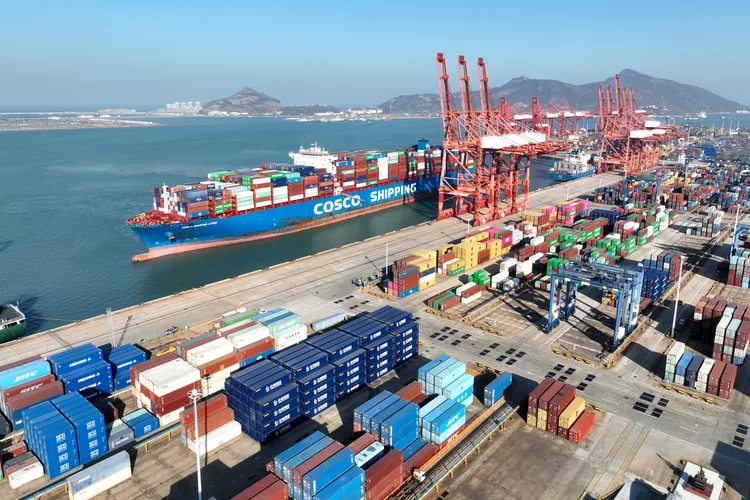
Turns out, “temporary” is one of the most complicated words in international logistics.
After many long nights, frantic calls across time zones, and a truly eye-watering detention fee, we got our gear. But I promised myself I’d write down what we learned. So, if you’re moving a mountain of HDD equipment across borders, here’s my hard-won, from-the-trenches guide.
The Ocean Voyage – It’s Not Just a Box
First, your gear isn’t just cargo; it’s the project’s lifeline. You can’t fast-track 20-ton drill rods.
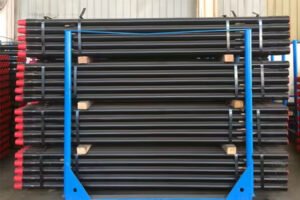
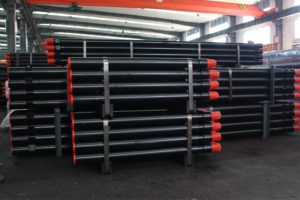
- Packing is Everything: We crate major pieces like power units and frame units. But for drill rods? Proper steel stillages are your best friend. They’re rigid, can be lifted from port to site, and prevent the “spaghetti pile” of rods that damages threads and infuriates stevedores. Photograph everything from multiple angles before sealing. This is your evidence trail if something arrives looking like it went ten rounds in a boxing ring.
- The Documentation Bible: The commercial invoice and packing list are king. But for HDD equipment, be painstakingly specific. Don’t put “drill rod.” List it as “HDD Drill Rod, 5-inch, Grade S-135, 30ft length, threaded (used).” Include serial numbers for high-value items. Weight and dimensions? Triple-check them. A discrepancy of a few centimeters on the bill of lading can trigger a customs inspection. I speak from experience.
- Choosing Your Partner: You need a freight forwarder who doesn’t flinch at the word “project.” They must understand heavy-lift, breakbulk possibilities if needed, and, crucially, have a strong agent network at your destination port. Their local knowledge is worth its weight in gold.
The Maze of Temporary Import
This is where we got burned. Shipping goods you intend to bring back is a whole different beast.
- The Carnet Can Be a Lifesaver (Sometimes): An ATA Carnet is like a passport for your equipment. It simplifies customs in member countries by acting as a guarantee for duties. Check if your destination country accepts it for professional equipment. But! It has strict rules—everything listed must return, and there’s a time limit.
- The Local Bond Route: More common for large-scale projects. Your local agent in the destination country arranges a financial bond or bank guarantee with customs. This secures the temporary import, waiving the massive duties you’d pay for a permanent import. The key? You are 100% responsible for re-exporting every single item. Lose a subsoil tool or a joint of rod, and you’ll forfeit part of that bond. Your inventory list is now a legal document.
- The Critical Path: Re-export Documentation: Start planning the exit before the gear even arrives. You’ll need a “Re-export Permit” or similar. The descriptions and quantities on this must mirror your import documents exactly. This process can take weeks. Don’t wait until the project’s last day.
A Story from the Field: Our nightmare was a “proforma clearance.” Our local agent used a simplified code to get the gear released fast to site. But when re-exporting, the central customs authority compared it to the original, detailed manifest. Mismatch. Red flags. The containers were grounded for three weeks while we untangled the paperwork. The lesson? Insist on full, accurate declarations from day one, even if it’s slower.
My Non-Negotiable Checklist
- Classify Early: Get your Harmonized System (HS) codes confirmed for both origin and destination countries. Is a used drill rod considered “waste” or “reusable machinery”? It matters.
- Appoint a Local Champion: Not just any agent. Find one with proven experience in temporary imports for construction or oilfield equipment. They know the inspectors and the pitfalls.
- Budget for the Hidden: Factor in port demurrage, container detention, bond fees, and agent success fees. Then add a 15% contingency. Really.
- One Point of Contact: On your team, one person should own the entire logistics chain, from factory floor to job site and back. Communication breaks down in handoffs.
- Plan for the Return Trip: The equipment will be dirty, possibly damaged. Clean it to a customs-acceptable standard. Have repair plans for minor damage before re-packing. Your return packing list must note any changes from the outbound voyage.
The Takeaway
Moving HDD equipment internationally isn’t a shipping task; it’s a core part of project management. The ocean voyage is the easy part. The real challenge is the paper trail you build around your metal. Be detailed, be paranoid about documentation, and lean heavily on local experts who’ve navigated the same bureaucracy.
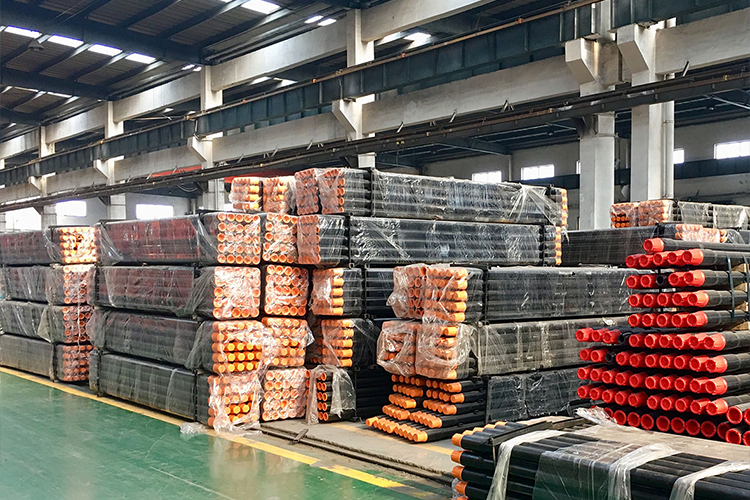
Now, when I see those containers being loaded, I feel a mix of anxiety and pride. The anxiety never fully goes away—and maybe that’s a good thing. It keeps you sharp. And the pride? That comes from knowing your team’s lifeline will arrive, work, and come home, ready for the next big job.
SHARE:
More Posts for You
- Why Your HDD Rod Threads Keep Rusting (And What I Learned from an Angry Old Man)
- The Day I Had a Warehouse Epiphany About HDD Drill Rods
- Where to do Horizontal Directional Drilling (HDD) Shines Actually

- The Moment I Realized Most People Buy HDD Drill Pipes All Wrong
- So You’re Buying HDD Drill Pipe? Let’s Talk About the Stuff That Actually Matters
- Maximize Your Ditch Witch Performance with ZHE HDD Drill Pipes
- How ZHE HDD Drill Pipes Make Your Ditch Witch JT100 Work Better and Better
- ZHE HDD Drill Pipes Will Help Your JT2720 Work Better