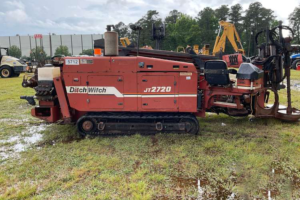
The Day I Stopped Digging: A Few Truths About HDD vs. Open-Cut Trenching
You’re deciding between HDD and digging up the whole street, huh? Let me tell you about the time I watched a crew try to replace a gas line under someone’s driveway using open trenching. It took three days, the homeowner’s prized rose garden looked like a construction site, and the crew kept hitting irrigation pipes they didn’t know were there. Total chaos.
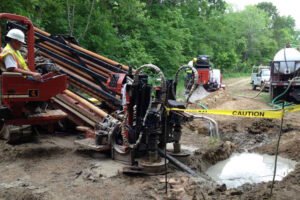
Then there was this other job — a fiber optic line needed to go under a busy park. We used HDD. Two days later, it was done. The only “evidence” was a small rig parked discreetly near the trees. No torn-up paths, no angry joggers.
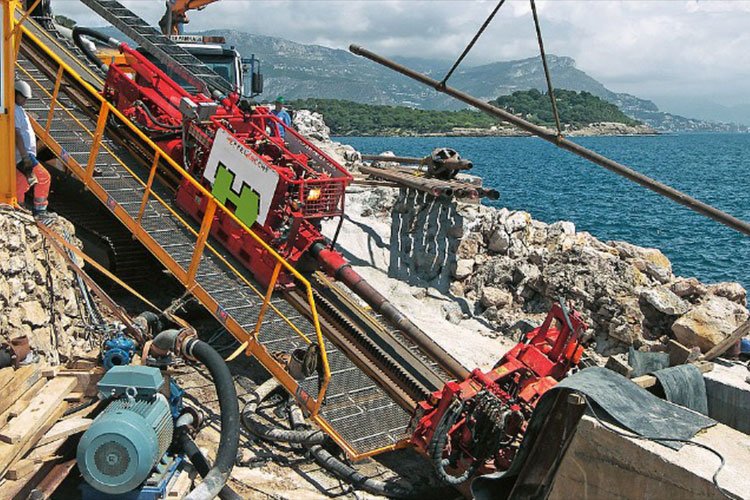
The Day It All Clicked
That’s when it really clicked for me: it’s not just about getting from point A to B. It’s about how you travel, what you leave behind, and honestly, how many headaches you avoid.
The Hidden Cost of “Saving Money”
Let’s talk real costs for a second. Sure, renting or buying an HDD rig might feel like a bigger upfront investment than just bringing in an excavator. But think about what open-cut hides: traffic control crews sitting around for days, repairing pavement and landscaping, dealing with utility strikes, and sometimes even business interruption claims.
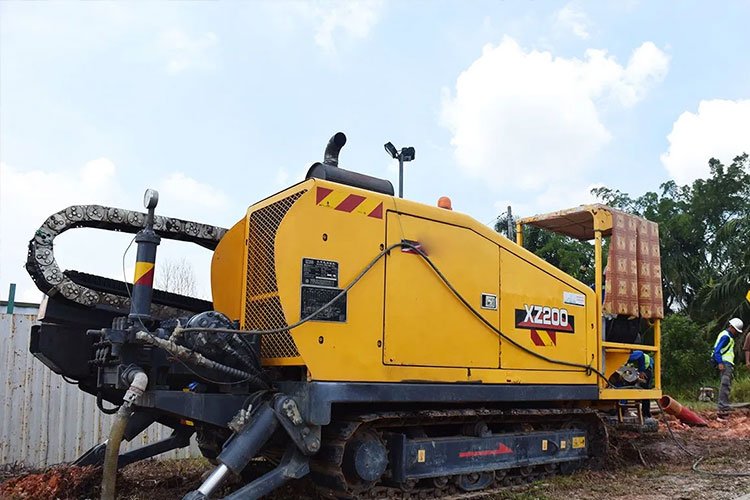
With HDD, you’re often in and out before the neighborhood even finishes their morning coffee. The math starts to look different, doesn’t it?
Timeline? It’s Not Just About Speed.
And the timeline? I once had a client who needed to cross a small river. The permit process for open trenching through that wetland was a six-month nightmare of environmental studies. We proposed a guided bore with the right drill rods and a careful drilling fluid plan.
The permit was approved in weeks because we weren’t disrupting the ecosystem. We just… went underneath it. Sometimes, the real speed isn’t in the drilling, but in skipping the red tape.
The Unsung Heroes in the Ground
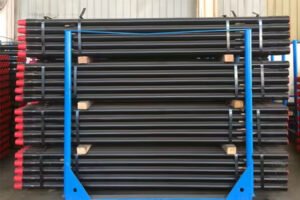
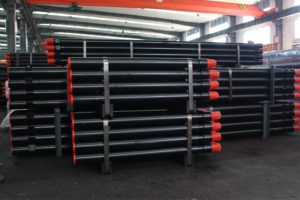
That brings me to my favorite unsung heroes: the drill string and tools. Early in my job here at the factory, I thought a drill rod was just a strong pipe. Then I spent a day with our lead engineer. He showed me how a poorly manufactured rod can wear out fast in abrasive soil, or how the wrong thread type can lead to a costly downhole separation.
A good drill string isn’t just equipment; it’s your insurance policy down there where you can’t see. That’s why we geek out over heat treatment processes and thread profiling—it’s what keeps your project from turning into an expensive fishing trip for lost tools.
It’s a Strategy, Not Just a Tool.
So, what’s the takeaway from my last five years of chats on job sites and in factories? It’s simple: The right method with the right tools changes everything. HDD isn’t just a “different way to dig.” It’s a strategy. It’s about respecting the community above ground and navigating the unpredictable world below it.
And the tools you choose? They’re your partners in that strategy. They need to be tough, smart, and reliable. That’s the part we care about most.
Got a tricky project coming up? Or just want to nerd out about drill stem fatigue life? Hit reply. I love these conversations.
SHARE:
More Posts for You
- Why Your HDD Rod Threads Keep Rusting (And What I Learned from an Angry Old Man)
- The Day I Had a Warehouse Epiphany About HDD Drill Rods
- Where to do Horizontal Directional Drilling (HDD) Shines Actually
- The Moment I Realized Most People Buy HDD Drill Pipes All Wrong
- So You’re Buying HDD Drill Pipe? Let’s Talk About the Stuff That Actually Matters
- Maximize Your Ditch Witch Performance with ZHE HDD Drill Pipes
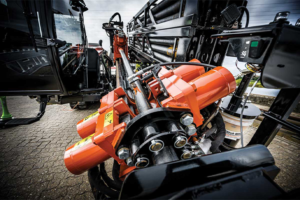
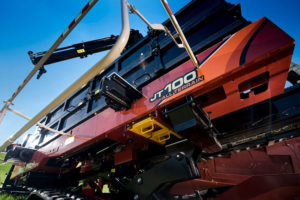
- How ZHE HDD Drill Pipes Make Your Ditch Witch JT100 Work Better and Better
- ZHE HDD Drill Pipes Will Help Your JT2720 Work Better