The Underground Whisperer: Real Talk on Horizontal Directional Drilling Tools
Let’s have a real conversation about what goes into the ground. I’ve been in this HDD tooling world for over five years now, and if there’s one thing I’ve learned, it’s that the coolest part of the job isn’t the big machines—it’s the pieces that actually do the dirty work down in the dark. And let me tell you, they have stories to tell, if you know how to listen.
My “Butter Knife” Moment
I’ll never forget this one site visit early in my career. The crew was hitting what they called “peanut butter clay.” Everything was slow, sticky, and morale was lower than a mud puddle. They were using a pretty standard reamer, and it just kept balling up.
The foreman, an old-timer named Ray, muttered something, walked to his truck, and pulled out a reamer with a much more aggressive, almost scalloped-looking cutter head. Swapped it in. The difference wasn’t subtle. It was like watching a shovel finally break through frozen ground. The rig’s hum went from strained to smooth.
That was my lightbulb moment: We’re not just cutting dirt. We’re having a conversation with it. And you need the right vocabulary (read: tool geometry) to speak to different soils. Using the wrong tool isn’t just inefficient; it’s like arguing with someone in a language they don’t understand. You’ll get nowhere, fast.
Not All Rods Are Created Equal (And It’s the Little Things)
Okay, let’s talk rods. For a long time, I secretly thought they were just fancy pipes. A conduit for pressure. Boy, was I wrong. I once watched two crews on adjacent sites, with similar rigs, drilling through comparable gravel. One crew flew through their pilot bore.
The other kept facing weird friction and needed constant checking. The difference? The rods. The first set had threads that were just… cleaner. The engagement was smoother, and they used a thread compound that actually stayed put. The second set? Sloppy engagement, dry threads galling. It taught me that a drill string is only as strong as its most tired connection.
The quality in the threads, the precision of the heat treatment, the balance—it’s not marketing fluff. It’s what keeps you from having that sinking feeling when you’re 600 feet out and the torque spikes. A good rod doesn’t scream for attention; it just quietly does its job, bore after bore.
The Frankenstein Setup (And Why It Haunts You)
Here’s my personal rant, born from painful observation: the mixed-brand tool string. I get it. A bargain here, a spare part there. But putting together a downhole assembly from mismatched brands is like building a race car engine with parts from three different decades.
Sure, it might start, but for how long? I’ve seen premature wear on tool joints, weird vibration patterns, and seals that fail because the tolerances were never meant to dance together. The “savings” disappear in downtime and replacement costs.
Your tool string is a team. You want a team that’s trained together, moves together, and trusts each other. Don’t make them speak different languages down there.
The “Boring” Part That Isn’t Boring: Maintenance
Let’s be honest, cleaning and greasing threads is about as exciting as watching paint dry. But here’s a tiny story. We had a client who was famously fastidious about his rod care. He’d clean, inspect, and grease every single connection, every single trip out of the hole. His rod sets lasted years longer than anyone else’s.
One day he told me, “This isn’t maintenance. It’s a handshake. I’m thanking them for the hard work so they’re ready for the next round.” That stuck with me. That layer of grease? It’s not just lubrication. It’s a protective barrier, a thank-you note. Neglecting it is like sending your best worker back into a fight without any armor.
The Takeaway: Listen to the Whisper
After all this time, my biggest piece of unsolicited advice is this: Become an underground whisperer. Pay attention to the small feedback. Is the rig sound changing pitch? Is the pressure creeping up faster than usual? Is the slurry coming back looking different? Your tools and rods are sending you signals from a place you can’t see.
Choosing them wisely—for the soil, for the job length, for the machine you’re running—and then taking care of them, is how you translate those signals into a successful, smooth bore.
It’s not about having the shiniest or the most expensive gear. It’s about having the right gear, and understanding the partnership you have with it. When it all lines up, it’s a beautiful thing.
Got a story about a tool that saved the day (or one that caused a headache)? I’d love to hear it. Drop a comment or shoot me a message. Let’s keep the conversation going.
SHARE:
More Posts for You
- Why Your HDD Rod Threads Keep Rusting (And What I Learned from an Angry Old Man)
- The Day I Had a Warehouse Epiphany About HDD Drill Rods
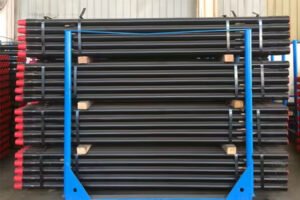
- Where to do Horizontal Directional Drilling (HDD) Shines Actually
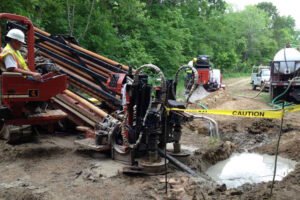
- The Moment I Realized Most People Buy HDD Drill Pipes All Wrong
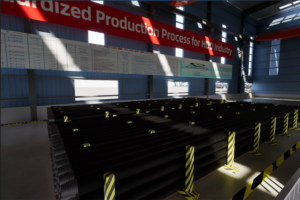
- So You’re Buying HDD Drill Pipe? Let’s Talk About the Stuff That Actually Matters
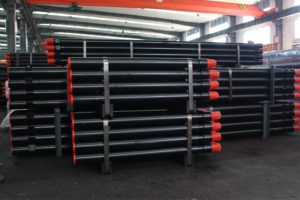
- Maximize Your Ditch Witch Performance with ZHE HDD Drill Pipes
- How ZHE HDD Drill Pipes Make Your Ditch Witch JT100 Work Better and Better
- ZHE HDD Drill Pipes Will Help Your JT2720 Work Better