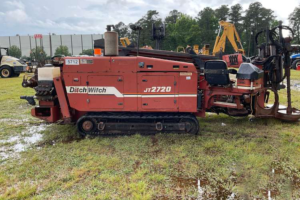
When the Ground Gets Loud: How Locator Guidance Finds the Signal in the Noise
That One Call That Left Me Speechless
You ever have one of those conversations that just sticks with you? I was on the phone with Dave, a seasoned drill foreman from the Midwest. I could hear the background din of a busy urban site through his phone. He wasn’t just frustrated; he was drained. “We’re trying to get under six lanes of highway,” he said, “and between the rebar, the traffic sensors, and who-knows-what buried legacy lines, our locator is throwing a tantrum.
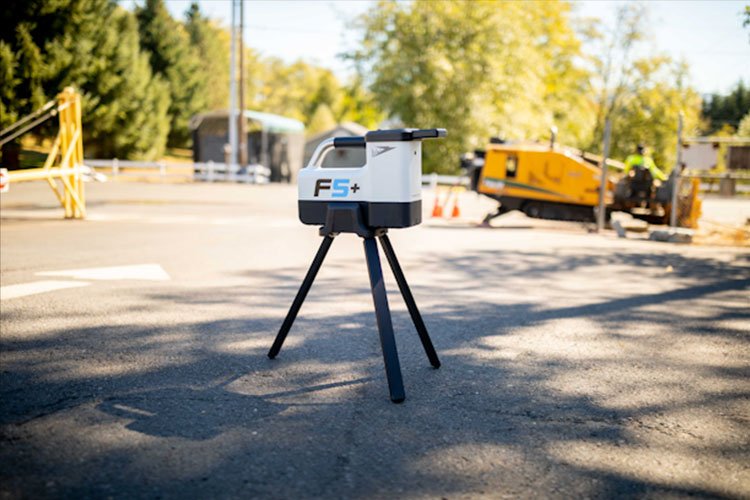
It’s beeping at everything and nothing. We’re flying blind.” He paused, and I could almost see him rubbing his temples. “We’re not just losing time, man. We’re losing confidence.” That hit me.
It wasn’t about a tool failing; it was about the entire plan unraveling because of one invisible problem: a sea of electromagnetic noise.
My Own “Duh” Moment
We’d been talking about new locator steering tools for years. In brochures, they sounded like magic. But in my head, I’d sort of filed them under “nice for mega-projects, but overkill for most.” Dave’s call was my wake-up slap. He asked, point-blank: “What if the solution isn’t trying to get a clearer signal to me, but putting the brains in the pipe, where the noise can’t reach it?” It was so obvious.
I had a literal forehead-slap moment right at my desk. We were so used to solving the surface problem (better locators, stronger transmitters) that we ignored the elegant end-run: make the downhole tool completely self-reliant.
How It Actually Works (Without the Textbook Jargon)
Think of it like this. Your standard steering system is a walkie-talkie conversation. You’re on the surface yelling instructions, but a bunch of other people are on the same channel (power lines, cables, etc.), and the guy underground has a cheap radio. Good luck.
This new locator tool? It’s like giving the guy underground a sealed, self-contained map and a precision compass. He doesn’t need your voice anymore. Inside that tough drill collar, sensors measure orientation and movement hundreds of times a second. It’s not listening for an external signal; it’s inertially tracking its own journey, calculating exactly where it is and where it’s pointed. EM interference might as well be a silent movie playing outside the room—it has zero effect. The data comes up when you connect the wire after a rod change, showing you a crisp, unbroken line of where you’ve been.
The “So What?” From a Guy Who Was Skeptical
I’ll be honest, the cool factor is high. But what sold me was seeing the aftermath. It wasn’t a shiny sales demo; it was Dave, three weeks later, sending me a screenshot of his as-built vs. plan overlay. The match was near-perfect. He wrote: “Did 800ft under the highway and a rail yard. Zero signal drama. Just… drilled.” The relief in his message was palpable. The value wasn’t just in accuracy—it was in predictability. They could bid tighter corridors with more confidence. They stopped scheduling “signal troubleshooting” as a mandatory part of the job.
It’s Not a Magic Wand (Because Nothing Is)
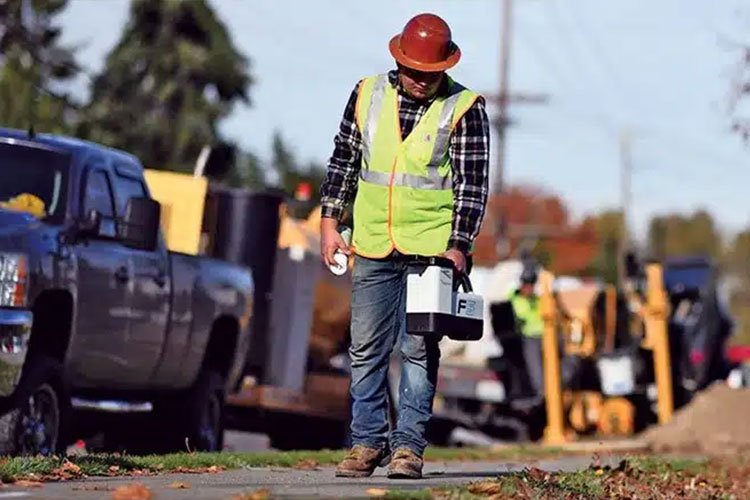
Let’s keep it real. This isn’t the tool for every Tuesday. For most of your bores, your trusted standard locator system is perfect and cost-effective. This new guidance shines in those specific, nasty environments: directly under airports, through industrial plants, beneath dense utility corridors, or under rivers where depth kills the signal. It’s your specialist, not your daily driver. And you still need a great operator. The tool gives perfect data, but a human makes the steering decisions. It’s a partnership.
The Real Upgrade Isn’t Just Technical
The biggest upgrade I’ve seen isn’t in the specs sheet; it’s in the crew’s mindset. There’s a quiet confidence that comes from knowing you have a guidance method that can’t be jammed. It turns “I hope we can get a signal” into “We know exactly where we are.” That psychological shift is huge on a complex, high-stakes bore.
So, next time you’re surveying a jobsite and your gut clenches at the sight of a substation or a spaghetti bowl of existing utilities, know there’s an option that laughs at the noise. Sometimes progress isn’t about shouting louder into the static. It’s about changing the conversation entirely.
What’s your “signal nightmare” story? Hit reply and tell me about it. I love swapping jobsite war stories.
SHARE:
More Posts for You
- Why Your HDD Rod Threads Keep Rusting (And What I Learned from an Angry Old Man)
- The Day I Had a Warehouse Epiphany About HDD Drill Rods
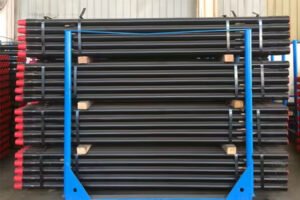
- Where to do Horizontal Directional Drilling (HDD) Shines Actually
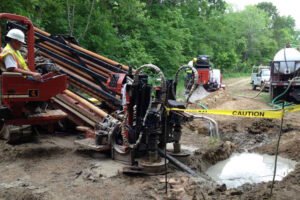
- The Moment I Realized Most People Buy HDD Drill Pipes All Wrong
- So You’re Buying HDD Drill Pipe? Let’s Talk About the Stuff That Actually Matters
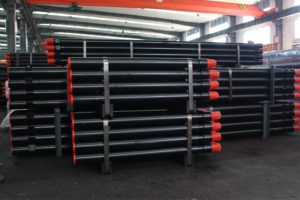
- Maximize Your Ditch Witch Performance with ZHE HDD Drill Pipes
- How ZHE HDD Drill Pipes Make Your Ditch Witch JT100 Work Better and Better

- ZHE HDD Drill Pipes Will Help Your JT2720 Work Better