A Simple Habit Worth $100,000+: Rotate Your Drill Rods Weekly
The Tuesday That Changed My World
I got a Tuesday, let me tell you, that still makes me wince.
I was out on a job in West Texas, middle of July, dust that thick you could chew it. The crew was changing rods after a sideways pullback, literally. The rod string was bowed like a cheap fishing pole and we wrestled it out of the hole for four hours. And when we finally had everything out on the ground, I watched the foreman walk down the line of rods, kicking each one as if he were testing watermelons.
He stopped at the seventh home. Curved. Twelve? Slight curve “Number nineteen? Looked good until he rolled it about two feet and you could see that little wobble, the kind that tells you this rod is tired.
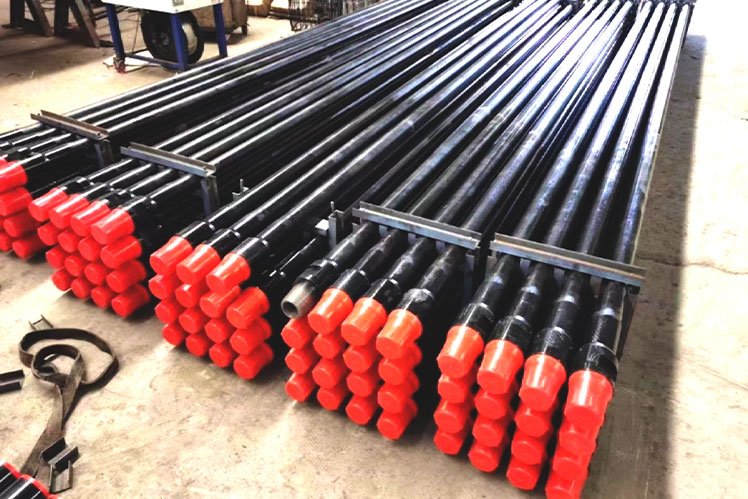
That job cost the contractor an extra $2,400 in replacement rods itself. Except for the downtime. Not including the grumpy rig hand that had to ream that section twice.
And you know what the foreman told me? He shrugged. “We always run ‘em in the same order. “Keep it simple.”
I wanted to yell. But I didn’t. Because three years earlier I’d done the same thing myself, on my own rig.
My Own Stupid Moment
When I was running a little directional crew, I had this superstition, and yeah I’ll admit it, if a rod worked well in the number three slot, I should leave it there. What’s the point in messing with success, right?
No.
I ran the same rods in the same position for about six weeks, and I started to notice our torque readings creeping up. Nothing exciting. Every day a little bit higher. Then one of the connections locked up so badly we had to torch it off. That rod was fried. The end of the box had ovalized enough to bind, and the pin had micro-cracks that you could hardly see with a magnifying glass.
That was my “oh duh” moment. I had been treating my drill string like a set of dining chairs, each one with its place at the table. But drill rods aren’t furniture. They’re athletes. And athletes need rotation.
Why Weekly Rotation Still Works
Now the nerdy part, but I’ll make it painless.
Every time you put weight on a rod it bends, very slightly, but it does bend. The bottom of the rod is compressed, the top is pulled. Do this a thousand times in the same orientation and the rod develops a preferred way of bending. That’s called stress alignment. It’s the sneaky cousin of fatigue failure.
But if you spin that rod in the string to a different orientation, let’s say front to back, or end-for-end, you change the stress concentrations. The rod takes a break from its usual routine. And the wear patterns match up. They last longer because they are not always loaded from the exact same angle
I have seen strings that lasted 2 years on a weekly rotation and I have seen strings die in 4 months without it. Same make. Same steel. Same ground. The only difference was a five minute routine.
But I’m Too Busy” Excuse – I’ve Done It Too
I understand it. You’re doing mud checks, steering corrections, and a driller screaming about lunch. The last thing you want to do is take apart your entire string just to shuffle rods around.
But here’s the truth I learned the hard way: that five-minute shuffle once a week is nothing compared to the four-hour nightmare of fishing a broken rod from a borehole.
One of my regulars, Mike in Ohio, told me he started rotating his rods every Friday morning before the first hole. “Now it’s like brushing his teeth,” he said. He doesn’t think about it, he just does it. And he hasn’t bought a replacement rod in 18 months. He was ordering three or four a quarter of an hour before that.
Mike saves about $6,000 per year. A five minute habit. Do the math on your own rig, I bet it hurt as much as mine.
How I Do It (No Fancy Equipment)
I’m not going to try to sell you some expensive rotation jig or tracking software. Here is the dirt-simple method I use and teach:
Number your poles. 1. Number each one. Large enough to read from ten feet away. I use a stencil and white paint. I paid eight dollars for it.
Keep a simple journal, Only a whiteboard in the trailer. Record the date and the position of each rod. It takes half a minute.
Shift them every Monday (or Friday or whatever). Move rod one to position four . Rod two to position six . Rod three to position one . You get the idea . The idea is that no rod sits in the same slot for more than seven days.
Flip half of them over. If you’re feeling really fancy, flip every other rod end the other way. That also flips the wear on the thread. Your contacts will thank you.
That’s it. No PhD needed. No fancy gizmo. A little discipline.
The One Exception I’ll Make
Okay, I’ll be honest, sometimes I don’t rotate. If I’m in super abrasive ground and I know a rod is already showing wear I leave it in a low stress position (near the top of the string) and don’t move it around. There is no point in spreading a problem child all over the family.
But that is the exception to the rule. For 90% of your everyday drilling, sand, clay, mixed rock, rotation is your cheapest insurance policy.
What I Wish Someone Had Said To Me
I wish 5 year old me knew that drill rods don’t die from one big error. They die of a thousand little diseases. The little crook here. The little oval there. The connection that got just a tiny bit hotter than its neighbour every day for three months.
That Tuesday in West Texas was costly, but it was also a blessing. It taught me that the simple stuff is worth more than the fancy stuff. The best steel in the world is available to you, but if you treat it like it can’t be beaten, it will prove you wrong, every time.
So here’s my challenge to you: next Monday, rip up your string. If you haven’t numbered your rods, number them. “Move ’em. Feel smoother torque, quieter running and a little voice in your head saying “Huh, that actually felt better”.
And if you save a few grand this year. Treat yourself to something nice. Or just buy more rods. Your move.
One More Thing…
I don’t say this because I am selling rods. I say that because I’ve dug enough holes to know what works. Rotating weekly is one of those rare habits that costs nothing, requires almost no time, and pays off like crazy.
If you have your own rotation trick, or a horror story about a rod that broke because you didn’t, I’d honestly love to hear it. Reply here or catch me at the next trade show. I’ll be the one with the white board full of figures and the coffee.
Drill safe, keep them turning and for the love of all that’s holy, rotate your rods.
SHARE:
More Posts for You
- Traceability of HDD Drill Rods: The Case for Heat Lots and Serial Numbers
- API 5DP vs API 7-1: Which Standard Actually Controls Drill Rods for HDD?
- Welding or Repairing a Cracked HDD Drill Rod? The Hard No and Safer Alternatives
- Why Mixing Different HDD Drill Rod Brands on the Same String is a Bad Idea
- HDD Drill Rods for Hard Rock vs Soft Ground One Size Does NOT Fit All
- Best Drill Rods for Large-Diameter Pipe Installation (24″ to 60″ Reaming Passes)
- Friction Welding VS Inertia Welding on HDD Drill Rods What’s the Difference?
- Box vs. Pin End: Which Side of the HDD Drill Rod Fails First?