Which one lasts longer, one-piece forged drill rod or friction-welded drill rod?
Hey, let’s talk about drill rod. And yes, I know. At one point or another every HDD contractor asks me, “Which one lasts longer?” I have been in this business for about five years, in a drill rod factory, and I have had this conversation more times than I can count. So let me tell you straight, friend to friend, with a little honesty from the shop floor, and maybe a little rant.
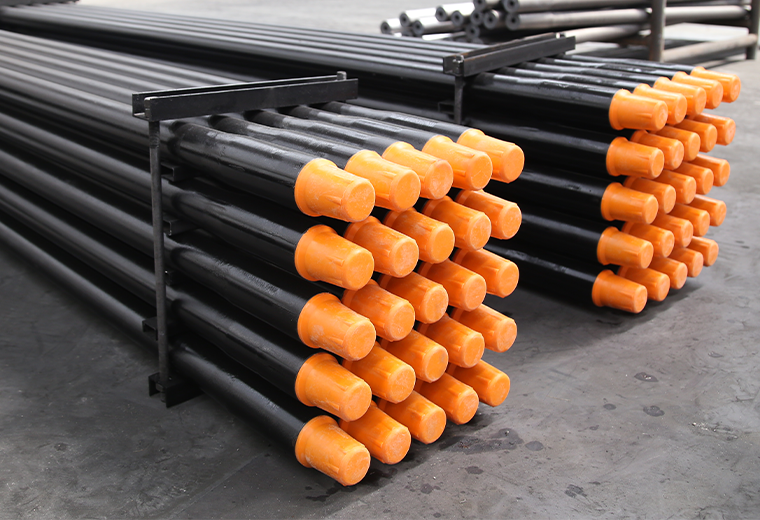
First, the quick definitions. I don’t want to assume you are a metallurgy nut like me.
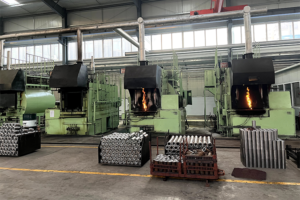
One-piece forged drill rod is a rod body and joint forged as a single piece of steel.
No weld . No sutures. The grain structure goes all the way through the thing. No heat affected zone from welding. Basically it’s the ‘built like a tank’ alternative.
A friction-welded drill rod is a rod whose body is friction welded to the tool joint. It’s a good process and proven, no one tells you it’s junk. But it does have a weld line and a heat affected zone. That weld is normally the first place anyone looks when something goes wrong downhole.
So which one lasts longer? To be honest, I’d say that in most tough HDD jobs, a good one-piece forged rod will outlast a friction-welded rod—but “outlast” is dependent on how you drill, where you drill, and how much you care about downtime.
Here’s the thing. I’ve seen friction welded rods work just fine in softer ground, shorter bores and with crews that treat their rods like they cost money. But I’ve had a customer call me up with a friction-welded rod that broke right at the weld, 180 meters out in a river crossing. He was not pleased. “I hate those calls. I wasn’t either.
We stood in the yard and looked at the broken face. He said, “Man, I was trying to save a few bucks on the rod. I said, “Yeah… but the rig’s been there for two days.” That’s the part they never put in the brochure.
Forged one-piece rods usually have the best fatigue life.
Why? Because there is no weld to be a stress concentrator. In HDD your rod is bending, rotating, pushing, pulling and cycling thousands of times. Cracks love weld toes. They love a heat affected zone. They don’t like a continuous forged grain flow. That’s just metallurgy being metallurgy.
But here’s my sales-consultant confession: friction-welded rods aren’t the bad guy. They’re cheaper, faster to produce, and for many jobs they’re good enough. If you are doing short bores in forgiving soil and your crew is careful you might never have a problem. I’ve seen guys run friction welded rods for years and swear by them.
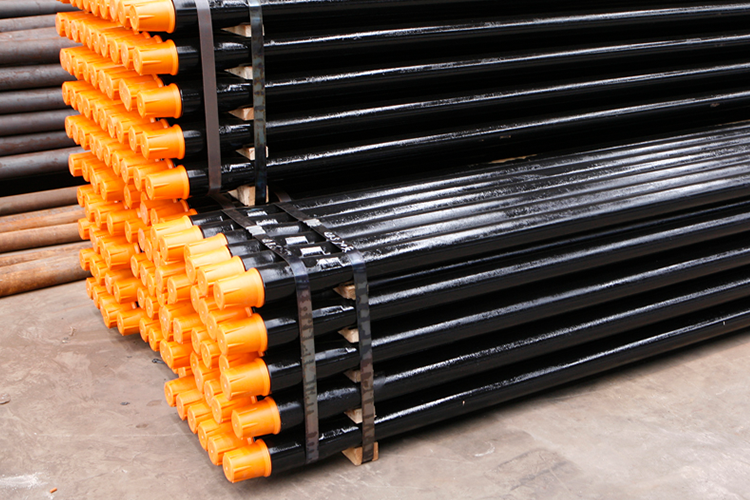
I’ve also seen guys blow forged rods in a week by beating the hell out of them, using wrong make-up torque or running them past their limit. Rod life is not just a matter of how it is made. It’s about the operator, the mud program, the geology and whether your crew treats rods like precision instruments or fence posts.”
So here’s my own cheat sheet:
“If you’re doing long bores, hard rock, high torque, deep crossings, or you’re sick of downtime eating your profit, go one-piece forged. More money up front, but the cost per meter, and the cost per “oh no, we’re stuck,” usually looks better.
Friction welding can make sense if you’re on a budget, doing shorter/easier jobs and you have a good inspection routine. Just know the weld is the weak link, so don’t act like it isn’t.
Buy what you like but don’t just shop on price. I’ve seen contractors save 15% on rods and lose 200% on a stuck rig. That’s not a sales pitch — it’s mud on math.
And I’ll admit my bias up front: I work at a drill rod factory and I like forged rods. But I also like the customers that ring me back the following year because their project went well, not because they are fishing a broken rod out of a borehole.
So if you’re not sure which way to go, send me your job details — ground conditions, bore length, rig torque, mud plan — and I’ll tell you honestly whether forged is overkill or friction-welded is a false economy. No pressure, no jargon dump. Just a guy who’s seen both sides of the weld line.
SHARE:
More Posts for You
- Developing a Smarter HDD Drill Rod Procurement Strategy: From Line Item to Performance Spec
- Which one lasts longer, one-piece forged drill rod or friction-welded drill rod?
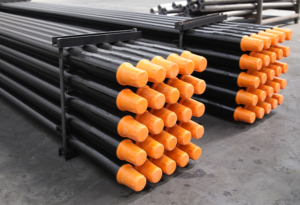
- HDD Drill Rod Selection for Engineers | Design and Analysis Fundamentals
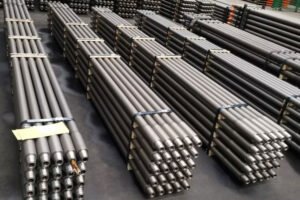
- Pre-Bore HDD Drill Rod Inspection Checklist: What to Check Before Every Job
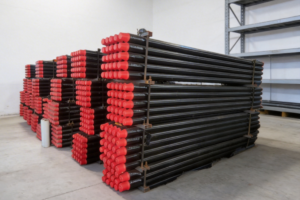
- HDD Drill Rod Warranty – What’s Covered and What Voids It

- Smart HDD Drill Rods: Sensors Embedded For Real-Time Monitoring
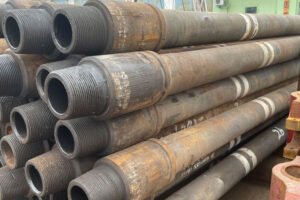
- Ultrasonic Wall Thickness Testing of HDD Drill Rods: Procedure & Limitations
- Choosing the right drill pipe supplier for your Vermeer D16x20