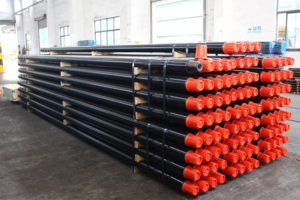
Box vs. Pin End: Which Side of the HDD Drill Rod Fails First?
You know what question I get more than any other from customers that call me up?
“Hey, which one goes bad first, the box or the pin?”
And you know what? I worked at this factory for the first couple years and I gave people the textbook answer. You know, the safe one. “Well, it really depends on the ground conditions and how you maintain them,” blah blah blah.
But here’s the deal. After five years of watching drill rods come back from the field. After spending way too many hours in our shop staring at worn out connections. After talking to guys who have been pulling pipe for twenty years… So now I have a real answer for you.
And that may surprise you.
The Short Answer (Since Nobody Wants Fluff)
The pin end wears out quicker. Period.
Not by a small amount either. I would say in about 70 to 80 percent of the failed rods that I see coming through our shop, it’s the pin that went first. Look, don’t get me wrong, the box takes a beating, but the pin? That poor thing gets totally hammered.
Why the Pin Draws the Short Straw
Let me give you a picture.
The pin is the male end, the one that sticks out and screws into the box. And because it’s vulnerable, it gets hit by just about anything. You leave it on the floor? Pin gets caught. You slide it on the rack?” Scratch is stuck. You put it in the box at a slightly wrong angle? Now you have thread damage before you even start drilling.
But this is the kicker and something I did not fully appreciate until I started looking at stress analysis reports.
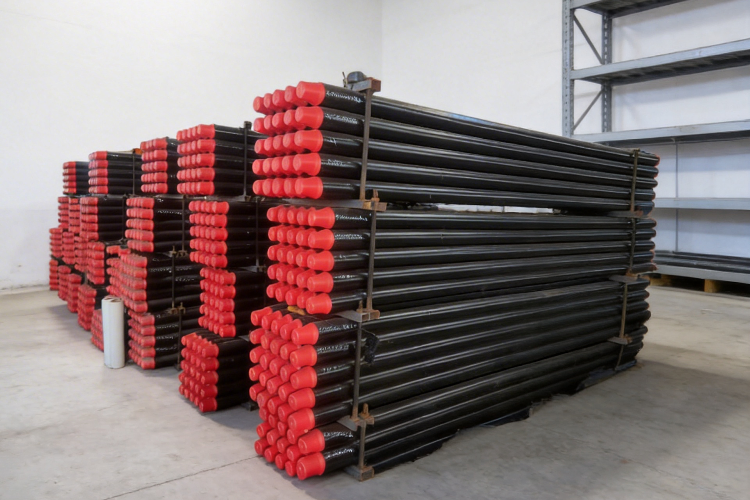
The pin is subjected to more concentrated stress than the box. The maximum stress on a drill pipe connection is found to affect the pin more severely, especially at certain thread locations, according to research. There is actually research that found the stress on the pin is greater than the stress on the box, period.
Consider it like this. The pin is the one doing the heavy lifting, when you’re putting all that torque and bending force through the string. This is the part that gets rammed into the box and takes the brunt of the lateral forces and carries the load through the connection.
The Box Has Problems of Its Own (But They’re Different)
Now, I’m not saying the box has it easy. Not in the least.
The box end, the female side, has its own peculiar misery. You know what kills a box quicker than anything? Pollution. Dirt, sand, dried mud, whatever gets jammed into those threads. The box is pretty much just a cup to catch all the crap. Once crap gets in there it’s like grinding paste every time you make up a connection.
I remember this job site I went to a couple years ago down in Texas. They were drilling some nasty clay and when they connected they weren’t cleaning the box ends. Just kept hitting pipe and sending it. When I got there half their string had boxes that were totally flared out. The shoulders wouldn’t seat anymore.
Another thing about boxes, they go bad, they go bad. You get that classic flared box look where the end is literally opening out like a flower. And once a box goes off, that’s it. You can’t really fix that in the field.
The Effect of the Mushroom
Here’s one that still makes me shake my head:
You ever see a pin that looks like it was hit with a hammer? It’s all squished and deformed at the end? That’s growing rapidly.
And you want to know what it’s caused by? Not enough torque.
I know, I know, it sounds backward. You’d think that over-torquing would do more damage, right? But here’s the thing, if you don’t torque a connection enough, the pin can actually move around in the box under load. “That movement makes impact and impact makes the pin nose mushroom out.”
The crazy thing is, once the pin mushrooms, it’s shorter than it used to be. Or a shorter pin? It can no longer engage the threads properly. So the whole connection starts to go bad and it takes everything with it.
The “Aha” Moment I Experienced
I can never forget one time early in my career. A whole set of rods that failed long before they should’ve came back from a customer. I was new, didn’t know what I was looking at, and thought the rods were scrap.
My boss at the time, this old guy who’d been in the business forever, came over and picked up one of the pins and just looked at me. “You see this?” he said, pointing to the pin nose.Yeah, it’s beat up.”It has exploded. They under torqued every single joint. The pins get hammered, the boxes flared and now they’re buying new pipe.
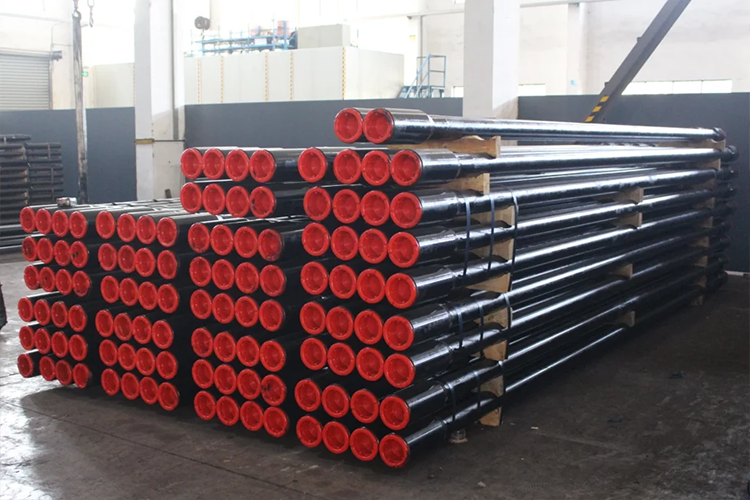
It was an epiphany for me. It’s not that the rods were bad, it’s that the pins took the abuse first and then the boxes right behind them.
What This Means for You
So this is the same thing I tell every customer now and I’m going to tell you the same thing.
The pin is the canary in the coal mine for you. So when you’re inspecting, and you’re inspecting regularly, right? –pay particular attention to the ends of the pins. Check for mushrooming, check for thread galling, check for any deformation
If the pins are good, your boxes are likely good too. But if the pins are starting to wear, you’re on borrowed time.
And for the love of God, make sure you torque your connections properly. Get yourself a thread gage . Cost you next to nothing , and will save you thousands . Lube every time, every joint. Keep the boxes clean Rotate your lead rod so one pipe doesn’t receive all the punishment.
The Bottom Line
Look, the ends both go bad. That’s just the nature of the beast when you are pushing steel through the ground day in and day out. But if you’re asking me which comes first?
The pin. Every damn time.
It’s the exposed one, the stressed one, the one who takes the hit when things go wrong. Sure, the box has its own problems, but the pin is the weak link in the chain.
So next time you’re doing your pre-bore inspection, spend an extra minute on those pins. Your wallet will thank you for it later.
SHARE:
More Posts for You
- Traceability of HDD Drill Rods: The Case for Heat Lots and Serial Numbers
- API 5DP vs API 7-1: Which Standard Actually Controls Drill Rods for HDD?
- Welding or Repairing a Cracked HDD Drill Rod? The Hard No and Safer Alternatives
- Why Mixing Different HDD Drill Rod Brands on the Same String is a Bad Idea
- HDD Drill Rods for Hard Rock vs Soft Ground One Size Does NOT Fit All
- Best Drill Rods for Large-Diameter Pipe Installation (24″ to 60″ Reaming Passes)
- Friction Welding VS Inertia Welding on HDD Drill Rods What’s the Difference?
- Box vs. Pin End: Which Side of the HDD Drill Rod Fails First?