API 5DP vs API 7-1: Which Standard Actually Controls Drill Rods for HDD?
If you’ve been in this industry for more than a week, you’ve probably seen both of these standards thrown around in drill rod spec sheets and supplier quotes. Maybe you’ve even scratched your head and asked: wait, which one applies to the pipe I’m buying?
I recall sitting in a client’s site office a few years ago and reviewing a shipment of HDD drill rods. The purchase manager pointed to the mill certificates and said to me, “So this pipe is built to 5DP or 7-1? Our QA guy told us we needed 7-1 and your invoice says 5DP.”
I froze for a moment. Not because I didn’t know, but because I realized how many people I’ve talked to over the years that had the exact same confusion.
Let me make this clear once and for all.
So, What Is the Story on These Two Standards?
Here’s a short version, and once you get it, you’ll never confuse them again:
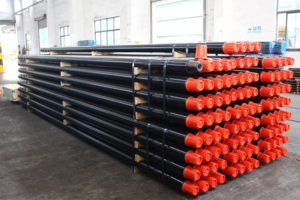
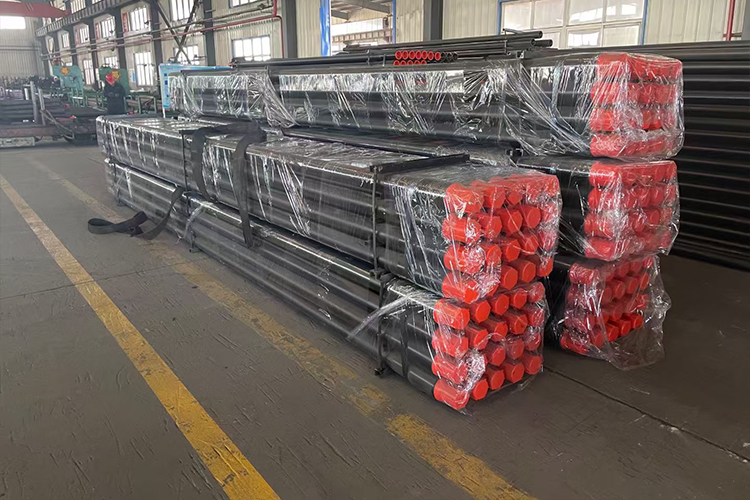
API 5DP Your drill pipe standard. Point blank . . . It specifies the technical delivery conditions for steel drill pipes with upset pipe body ends and weld-on tool joints, including chemistry, mechanical properties, dimensions, testing and traceability. It covers grades like E75, X95, G105 and S135 and breaks it down into three Product Specification Levels (PSL-1, PSL-2, PSL-3) depending on how tough your job is.
7-1 API, however, is the standard for rotary drill stem elements. Kelly valves, kellys, drill stem subs, drill collars, heavy-weight drill pipe (HWDP), bit connections, and stabilizers are what we’re talking about. And here’s the kicker — this standard specifically says it does not apply to drill pipe and tool joints.
Read that again. N/A
So when someone tells you their HDD drill rod is “API 7-1 certified,” you should raise an eyebrow politely. For the rod itself? That’s 5DP nation.
My “Aha Moment” for a Client
I was working with a contractor a couple of years ago on a long river crossing in Southeast Asia. They had ordered a set of 89mm S135 HDD drill rods from a different supplier who would not stop advertising “API 7-1 Certified” on the product page. The client thought they were getting a top-end product.
It turned out the supplier was actually referring to the thread connections on the tool joints, which are done per API 7-2 for the threading practices. The full assembly and the rod body? These shall be in accordance with API 5DP.
Client was comparing apples and oranges, he was thinking 7-1 was a higher tier standard for the whole rod, when really 5DP is what you follow for the pipe and 7-1 is for other drill stem parts completely.
That was one of my most favorite teaching moments. Not because I was smarter, but because I’d been tripped up by the same thing early in my career.
A Dirty and Quick Breakdown
This is how I explain it to friends over coffee:
What you are buying Which standard does it follow
HDD drill rod (pipe body + tool joints) API 5DP
Heavy Weight Drill Pipe (HWDP) API 7-1
Drill collars API 7-1
Kellys, subs, stabilizers API 7-1
API 7-2 Tool joint thread connections
Easy, eh?
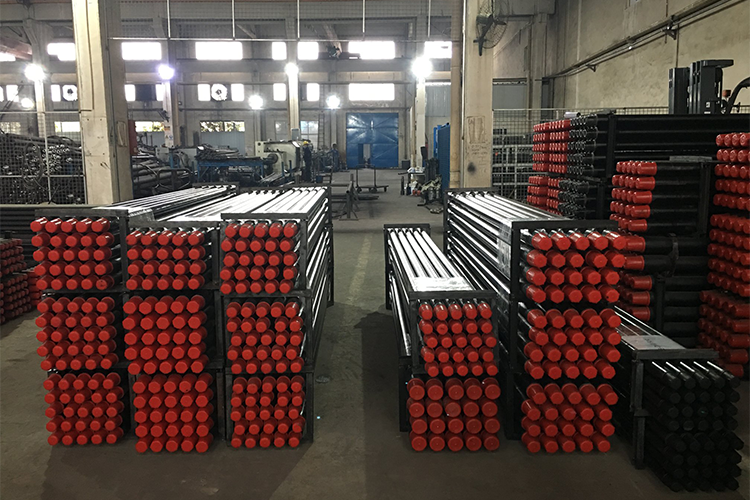
But it gets a little more complex here. The tool joint blanks for HDD rods? These are often forged and heat treated to API 7-1 specifications. The pipe body and the weld zone follow 5DP. Some manufacturers list both standards on their certs since different parts of the same rod are governed by different specs.
That does not mean the rod is “7-1 certified.” It means the manufacturer knows what they’re doing and they’re following the right standard for the right part.
Why This Matters When You Are Buying
See, I’ve seen contractors get screwed by this misunderstanding. Not because the pipe was bad — sometimes the pipe was good — but because they were shopping quotes on a misunderstanding of what “certified” even means.
If a supplier says “API 7-1” for a standard drill rod, ask them “For what part?” If they can’t give you a straight answer that is a red flag.
The surest bet? The rod shall be API 5DP compliant and the tool joints shall be manufactured and heat treated to API standards or better. That’s the real way to measure quality of HDD drill pipe.
The Bottom Line
API 5DP is what rules your drill rods. API 7-1 governs the rest of your drill string. And anyone trying to sell you a “7-1 certified” HDD rod either doesn’t understand the standards themselves, or is hoping you don’t.
Now you know. So go out and ask better questions.
Got a story about everyday confusion on a jobsite? Let me know, would love to hear it.
SHARE:
More Posts for You
- Traceability of HDD Drill Rods: The Case for Heat Lots and Serial Numbers
- API 5DP vs API 7-1: Which Standard Actually Controls Drill Rods for HDD?
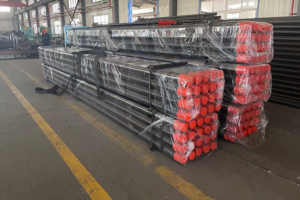
- Welding or Repairing a Cracked HDD Drill Rod? The Hard No and Safer Alternatives
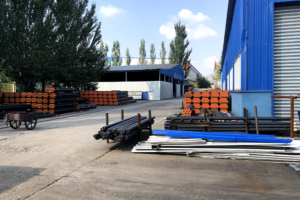
- Why Mixing Different HDD Drill Rod Brands on the Same String is a Bad Idea
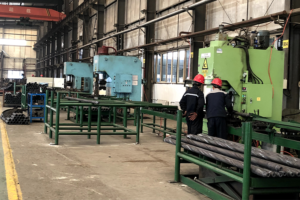
- HDD Drill Rods for Hard Rock vs Soft Ground One Size Does NOT Fit All
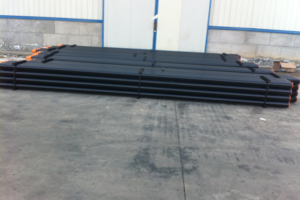
- Best Drill Rods for Large-Diameter Pipe Installation (24″ to 60″ Reaming Passes)
- Friction Welding VS Inertia Welding on HDD Drill Rods What’s the Difference?
- Box vs. Pin End: Which Side of the HDD Drill Rod Fails First?