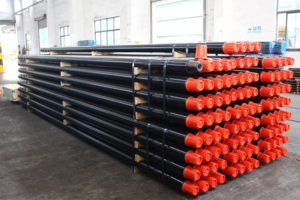
Welding or Repairing a Cracked HDD Drill Rod? The Hard No and Safer Alternatives
Can you weld a broken HDD drill rod?
Short answer: No. Nope.
I mean, you can open up an arc on that. And yes, you can drive your truck with a broken frame. It’ll work until it doesn’t work.
Yes I do work at an HDD drill rod factory. I am the technical sales person. When I tell you not to fix a broken rod, I am basically talking myself out of a sale. I’m fine with that. I’d rather take a hit on a sale than hear about a crew getting hurt or a rig getting tore up.
My ‘aha’ moment happened in the shop, not on a jobsite I was maybe two years into this industry. A drill rod “repaired” by a local welder came back from a customer. It looked good. Over the weld was painted. Honestly, if you didn’t know what you were looking at, you’d think it was ready to go back in the hole…
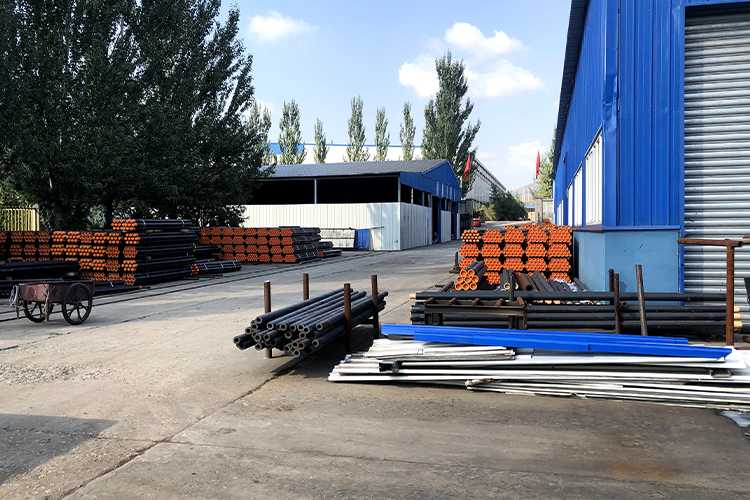
Our QC guy pulled out a section and polished it.” The heat-affected zone under the microscope was a mess, hard and brittle and full of microcracks. My mentor looked at me and said,
“The weld didn’t get the rod fixed. It just moved the crack to a place you can not see.
And that stayed with me. Because in HDD it’s the crack you don’t see that ruins your day.
Why welding a cracked HDD drill rod is a big no-no
Here’s the thing. An HDD drill rod is not just a pipe. This is a power transfer section.
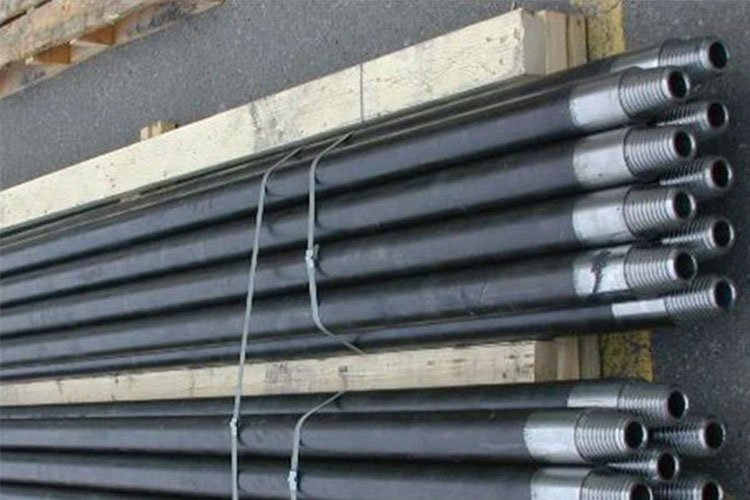
It is subjected to rotary torque, thrust, pullback, bending, vibration and mud abrasion. Every time you rotate is a fatigue cycle. The rod is made from heat-treated alloy steel that has been tested to flex and survive. Tool joints are typically friction-welded in a controlled factory environment, machined and heat-treated.
That no field welder can make. Not in the least.
When you weld on a drill rod you create a heat affected zone or HAZ. That zone can be fragile. You also get residual stresses and undercut and porosity and slag and lack of fusion and all the stuff you don’t want in a part that’s spinning under load. Even a well looking weld has different strength and fatigue properties from the original rod.
And where is the next crack? There you go.
And then there is the joint. The HDD rods are precision threaded and shouldered; They bend with heat. You lose the thread fit and the shoulder contact. Next thing you know you have galling, washout or a joint failure.
And the mud channel, of course, Weld spatter, poor root penetration or mismatch inside the rod will foul up flow, create turbulence and cause erosion. Now you have a rod that fails from the inside.
But I’ve seen welded pipe all the time” Yep. Well, and that’s usually static pipe, low stress, not a rotating fatigue machine. HDD drill rod is a whole different story. It’s getting bent, spun, pushed, pulled, hammered every second it’s in the ground. If you want to hold a fence post, you don’t want to use a drill string weld.
When a drill rod breaks, it doesn’t just hang around. It can whip, snap, fly pieces, drop the string, hurt the rig or hurt you. And if you welded it, you’re its owner. Warranty? No longer. Insurance?” Perhaps not your buddy. OSHA ? No fun .
Safer and better alternatives
What do you do when you find a cracked HDD drill rod? Here is what I tell customers:
Pull it out of service, tag it.
Label it “DO NOT USE.” Do not return it to the rack with the good rods. Someone will take it at 5 a.m. when they’re in a hurry.
Replace with correct rod.
Same material. Same thread. Same heat treat. Same specs. Don’t mix random rods just because they are threaded together.
If you don’t have a spare, stop the bore off.
I know. That stings. But fishing is worse. Much, much worse.
Check the rest of the string.
If one rod has cracked, there could be more. Check threads, shoulders, body and joints. Use magnetic particle inspection, ultrasonic testing or dye penetrant if possible.
Correct the root cause.
Was it over torqued? Bad bend radius? Bad mud? Worn threads? Wrong type of rod for the job ??? If you just change the rod, and nothing else, you’ll be back here again.”
Log hours and cycles.
Drill rods are not permanent. They are tired all the time. Know when to walk away before they do.
Train your staff.
Teach them what a crack is. Teach them to tag it, not “fix it later. This is no place for maybe.
How about brazing, sleeving, epoxy or an external patch?
Same hard nope.
This could hide the problem for a while. They do not recover fatigue life. They don’t fix the metalurgy. They just move the failure to an even worse time and place, like under a river, a highway or in the middle of a nice neighborhood.
Bottom line:
Can you weld or repair a broken HDD drill rod? Nope. Not if you give a damn about your crew, your gear, your schedule or your reputation.
The safer alternative is boring. Replace it, check the rest, fix the root cause. In HDD, boring is good. If you bore someone, you make them feel bored.
Have a cracked rod and don’t know what to do? Shoot me a picture. I’ll tell you straight—if the answer is, “That one’s done.” That’s what friends are for.
SHARE:
More Posts for You
- Traceability of HDD Drill Rods: The Case for Heat Lots and Serial Numbers
- API 5DP vs API 7-1: Which Standard Actually Controls Drill Rods for HDD?
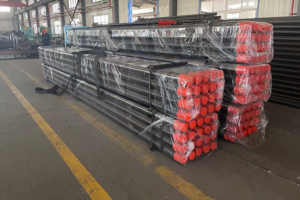
- Welding or Repairing a Cracked HDD Drill Rod? The Hard No and Safer Alternatives
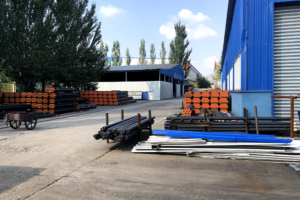
- Why Mixing Different HDD Drill Rod Brands on the Same String is a Bad Idea
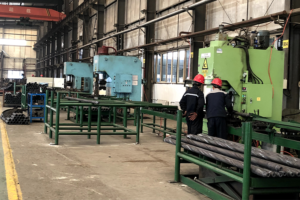
- HDD Drill Rods for Hard Rock vs Soft Ground One Size Does NOT Fit All
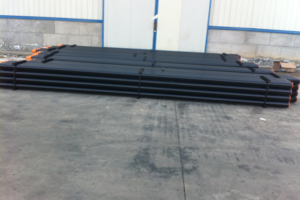
- Best Drill Rods for Large-Diameter Pipe Installation (24″ to 60″ Reaming Passes)
- Friction Welding VS Inertia Welding on HDD Drill Rods What’s the Difference?
- Box vs. Pin End: Which Side of the HDD Drill Rod Fails First?