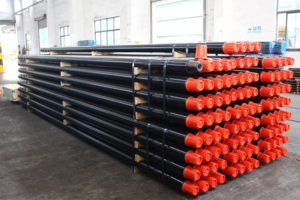
HDD Drill Rod Emergencies: What to Do When You Have a Stuck or Broken Rod
you’re working, things are going well, the mud is flowing, the bore is looking good… and then BOOM. Click. Or maybe it doesn’t break, it just… doesn’t continue. Not moving forward, not going back. It makes your heart sink right into your stomach, doesn’t it?
Yep. know what that’s like. More times than I want to admit.
Let’s be honest here. “I’ve been selling and working with this drill rod stuff for about five years now. Before that, I was the guy in the muddy boots on the other side of the fence.” Some days I’ve just wanted to put a chain around the whole thing and tear the earth to pieces in frustration.
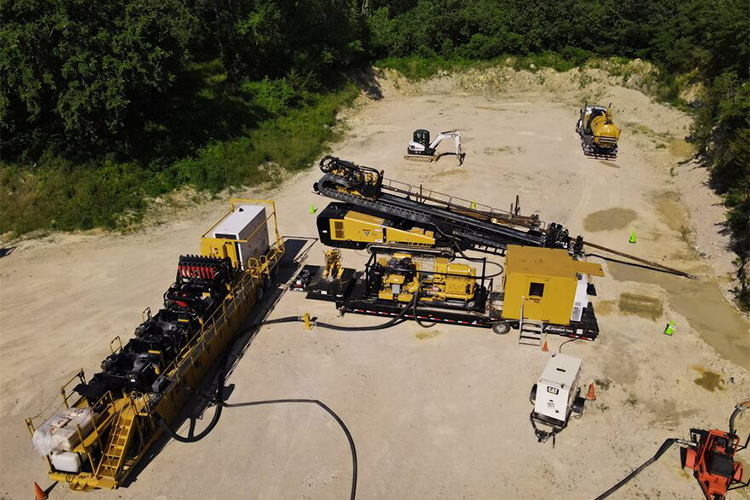
But the thing is, panic is your worst enemy in a stuck or broken rod situation. Panic makes you do stupid things. And stupid stuff costs time, money and sometimes the whole damn bore.
So, let’s have a coffee (beer, I don’t discriminate) and walk through what actually works when the excrement hits the rotating equipment.
The first 10 seconds: DON’T BE A HERO
I remember one of my first big jobs down in Texas, clay so sticky it was like chewing gum. New operator, new rig, and I was invincible. Rod was stuck about 40 feet in. My first thought was? Give it more torque . More power . She’ll escape.
No. It didn’t come free, and I really twisted that rod the hell out of, stressing the steel so bad that I basically guaranteed it was going to snap an hour later. And so it was. With the sound of a gunshot.
The “Duh” Moment: The first thing you do, before you open the throttle, before you start screaming, is stop. Halt everything. tight rotation. Stop the landslide. Let it rest for a moment. Listen.
Why? Because your senses are your best diagnostic tools right now. Do you hear the mud pumps whine? Grinding of the rig? Or dead silence? Touch the rod—is it vibrating strangely? Most of the time you get warning signs before a stuck rod freezes solid. You just have to be quiet enough to listen to them.
The Rule That Saves Butts: Back It Up
Here’s a little secret that I learned way too late: Reverse is your best friend.
If you have a stuck rod it’s usually because the cuttings have settled around the rod or the hole has collapsed a little. Your instinct is to push harder. That’s the caveman brain talking. Try backing it up a little bit, like a quarter turn maybe half a turn, and gently try to pull it back.
I call this the “rocking chair” method. It is not a question of pulling it out, but of persuading the ground to let it go.
Out in rocky Colorado one time I had a rod so wedged I could see the rig start to tilt. The old guy on the site who had more wrinkles than a prune walked up, spat his chewing tobacco and said, “Son, you can’t fight the rock. “Move with it.” He got on the controls, backed it up about 15 degrees, pulled it back a little and it popped out like butter.
Lesson: If you meet resistance, back off. Literally. Usually if you can give it an inch in the other direction you can get it back to safety. And when you can’t move it at all, then we have a real problem.
The Moment of Truth: Okay, it’s REALLY stuck. What next?
Okay, you have tried the rocking chair. You’ve given a little back-pressure a go. It is not moving. Here you have to make a decision and I’ll be brutally honest, sometimes you have to sacrifice the rod to save the bore.
I know how crazy that sounds. No one wants to abandon a pipeline in the ground. But here’s what I’ve learned—the hole costs more than the rod. If you twist so hard you break the rod in half, you now have a broken rod, and a lost hole; because that broken piece is going to fish around in there, and cause all sorts of havoc. You’re going to spend the next twelve hours trying to catch a fish.
I ask myself one question, and that is, “Is this my last rod?” If you have spare rods on the truck, and you are just trying to get through a bad patch, sometimes it is cheaper and faster to thread a new rod in, use a back-reamer to clear the blockage and just leave the stuck one in as a “sacrificial pile” for the day. You come back tomorrow with a better plan (or bigger rig) to fish it out.
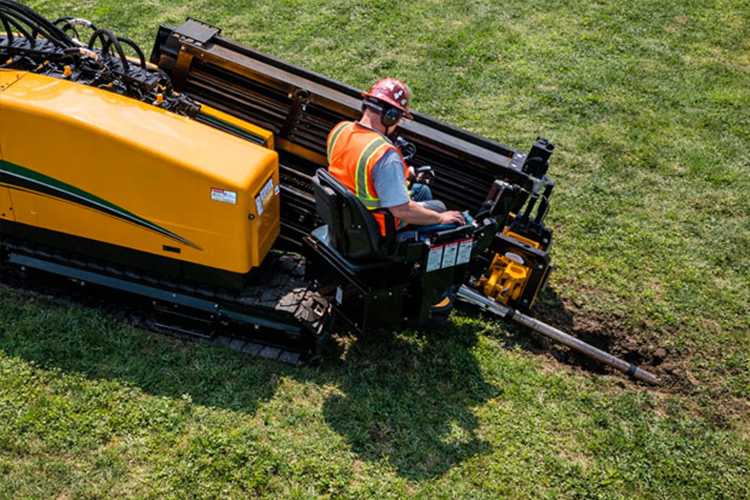
The Dreaded Crack: You Broke It. Sorry.
Alright, this one stings. It is the sound no one wants to hear. A clean snap, often at the threads.
First, what I will tell you is this: No need to panic. We’ve all broken a rod one time or another. I’ve broken a rod right there in front of the client project manager. Wanted a hole to crawl into and hide in. But I just looked him in the eye, shrugged, and said “Well, that’s why we bring spares.”
The best thing you can do now after a break is to mark the place. Mark it with a flag, a GPS pin or even just a line scratched in the dirt besides the entry point. You have to know exactly where that broken piece is.
Because the thing is, fishing with a broken rod is surgery, not demolition. You can’t go in there blind, you know. You have to pick up your overshot (that fancy grappling hook tool) and go slow. And if you don’t have one on the truck? Halt. Don’t pass GO. Don’t try to ‘catch’ it on the end of another rod. I seen guys do that and end up with two broken rods in the hole instead of one. Believe me, it’s worth waiting two hours for delivery of the right tool than trying to drill around a tangled mess for two weeks.
Preventative Rant (Because I Can’t Help Myself)
I know this is not what you want to hear when you are already in a pickle, but 90 percent of these emergencies are born in the morning before you even start drilling.
I can’t count how many times I’ve been to a rig and looked in the rod box and seen dirty threads. Or worse, dry threads.
My little golden rule. Treat your rod threads like your grandpa treated his tools. Wash them. Grease ’em. You are pretty much inviting galling if you are not using a high quality thread compound. And galling causes over torque and over torque causes… you guessed it, breakage.
Another. Know your depth. If you’re drilling over 200 feet, you’re not just pushing steel anymore, you’re pushing a noodle. The torsion goes nuts. slow your rotation speed back down, slow your feed down and let the rod do the work. “You can’t muscle through everything. Mother Nature always wins that war.
Okay, Real Talk: What Do I Say to My Client?
I also wear the sales hat so I get this call a lot. “Your rod broke!
And my first question often is, “Did it break at the connection or snap off in the middle?”
It is the connection, 9 out of 10 times it’s the operator, he didn’t torque up the makeup right or his threads are dirty. What if it kinked in the middle of the pipe? That’s usually massive overload, you hit a rock and kept pushing. In any event, I never blame the operator. I blame the circumstances. And then I grab my spare rods and I get in the truck and I go help them pull it out.
Because that’s what this business is all about. We’re all in the mud together. I never met a drill operator who ever wanted to break a rod. It is always an accident. And accidents require solutions, not sermons.
So next time you feel that sickening lurch, just breathe. Flip it over. Have at it. And if everything else fails, flag it, step back & call in the cavalry. Your hole, your rig, and your sanity will all be grateful for it.
Now go get them. And maybe kiss your rods a bit for luck, can’t hurt right?
SHARE:
More Posts for You
- Traceability of HDD Drill Rods: The Case for Heat Lots and Serial Numbers
- API 5DP vs API 7-1: Which Standard Actually Controls Drill Rods for HDD?
- Welding or Repairing a Cracked HDD Drill Rod? The Hard No and Safer Alternatives
- Why Mixing Different HDD Drill Rod Brands on the Same String is a Bad Idea
- HDD Drill Rods for Hard Rock vs Soft Ground One Size Does NOT Fit All
- Best Drill Rods for Large-Diameter Pipe Installation (24″ to 60″ Reaming Passes)
- Friction Welding VS Inertia Welding on HDD Drill Rods What’s the Difference?
- Box vs. Pin End: Which Side of the HDD Drill Rod Fails First?