HDD Drill Rods Breaking Underground (And How To Prevent It)
The day I found out that rods have feelings
Hi everyone,
So one day I learned the hard way that HDD drill rods have feelings too.
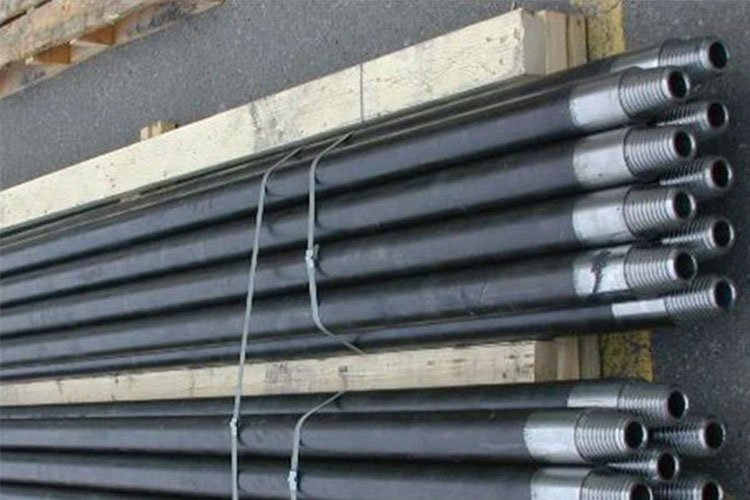
Picture this: I was on a jobsite in Texas about four years ago. A hot and miserable day. The crew was racing to complete a 200-foot bore underneath a two-lane highway. And then CRACK. The sick sound that every directional driller fears. The rod snapped like a thin stick, 15 ft underground.
The expression on the operator’s face? Total Defeat. We fished that sucker out for the next 14 hours. The job cost us almost three grand in downtime alone.
That was the moment I stopped thinking of drill rods as indestructible steel pipes. Because they’re not. They are more like your knees, abuse them long enough and they will let you know.
So why do rods really break? (Spoiler: Usually it’s us)
You know the little voice that says ‘just push a little bit harder’? Yup, usually starts out like that. When you over-torque a rod you’re not creating productivity, you’re creating micro cracks. Do that enough times and crack. Simple like that.
And then there’s wear and tear. I had a customer call me last year furious about “defective rods”. I drove three hours to his place, walked over to his pipe rack and ran my fingernail across a groove worn halfway through the steel. “You’ve been handing in rocky ground without checking your rod condition,” I told him. He said nothing. Because he knew.
And here’s one nobody talks about – wrong make-up torque. Too loose, and the connection works itself loose underground. Too tight and you’re stretching the threads like a rubber band until they surrender. I’ve done both of those. Felt like an idiot every time.
What Actually Works (No Whispering To Drill Required
Here’s what actually works, from a guy who’s pulled broken rods out of the mud at 2 AM.
Mark your poles I don’t care if you use paint, or tape, or a sharpie. Number them all. All of them. Log it. If rod #17 passes through ten bores without any problems, but rod #32 continues to give you trouble, you know which one to retire.
Check it like your afternoon depends on it. Because it does. Place the rods down, passing your hand over each one. Hear a notch? A groove? A spot you get on your fingernail? That rod’s tellin’ you it’s tired. Hear it.
Torque to rod spec. Not what the guy besides you is doing. Not to ‘what felt about right’. Use the damn torque wrench. I can’t tell you how many broken rods I’ve seen that would be ok if someone would just follow the numbers.
Do not mix brands or wear levels in the same string. That’s like putting a new tyre on one wheel and a bald tyre on the other and wondering why you’re in the ditch. Different steel bends differently. Different threads wear out differently. Maintain a consistent set.
One weird trick: wash your rods
And really. Mud in the connections dries hard as concrete. That dried mud is like sandpaper on your threads next time you thread up. Clean them. All the time. Always. I have a rag in my back pocket for every job. Discount insurance.
Real talk (not a sales pitch):
Look I’m not going to sit here and tell you our rods don’t break. They’re steel, not magic. But who calls me the least? It’s them that treat their drillstring like the precision instrument it is. They glance. They watch. They do not overreach. They are reasonable.
The best rod in the world will not stand up to a careless operator. And really? Most of the ‘rod failures’ I’ve seen should have been called ‘operator learning moments’.
Got a rod-breaking story that still makes you wince? “I’d like to hear it.” For real. I have my own pile of screw-ups, and I like company in misery.
Drill safe. And bring an extra rag, perhaps.
A grizzled veteran who has pulled one too many broken rods out of the hole.
SHARE:
More Posts for You
- Steering Angle vs. Drill Rod Bend Radius: What’s the Safe Maximum?
- HDD Drill Rods Torque and Pullback Limits: Don’t Go Beyond These Numbers
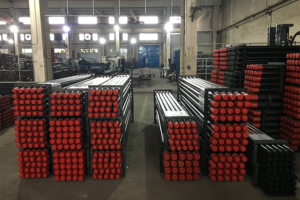
- Drilling Through Broken Rock? Why Heavy-Wall HDD Drill Rods Are Needed
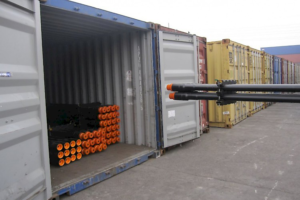
- The Hidden Cost of Cheap Drill Rods: Why Bargain Prices Lead to Expensive Breakdowns
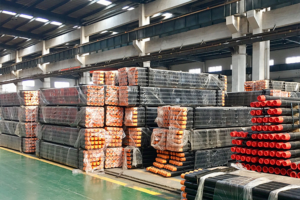
- A Simple Habit Worth $100,000+: Rotate Your Drill Rods Weekly
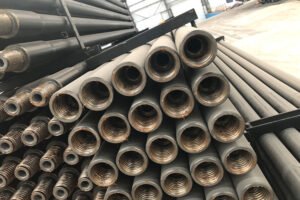
- HDD Drill Rod Market Size & Trends 2025-2033: What’s Driving Growth?
- HDD Drill Rods for River Crossings: High Strength Options for Complex Bore Projects
- How I Learned to Quit Guessing and (Mostly) Read an HDD Rod Sizing Chart