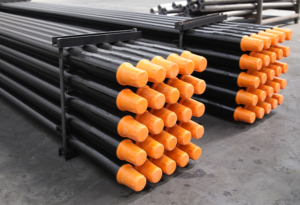
Hey everyone, take a coffee break for a sec. I work on the drill rod side of this industry and if there’s one conversation I keep having with customers it is this: “Why are my rods wearing funny?” or “Why is the rig shaking like it’s mad at me?”
And, seriously? Most of the time, it’s not a mysterious drill rod issue. Its a match problem. Your reamer and your drill rod must be buddies. When they don’t, you get vibration, uneven wear, and a lot of guys standing around going, “Well, that’s HDD for you.” No my friend. Not only Hard Drive. That’s a mismatch.
I’m a technical sales guy so yeah I’ll talk drill rods all day long. But I’ve also been on enough jobsites to know that a reamer can make a perfectly good drill rod look terrible – or make a mediocre setup look surprisingly decent. It matters that they match.
Vibration is not ‘normal’, it is a signal
I hear this one a lot. “A little vibration is normal, right?” A bit? Okay. There’s always some personality to a rig. But if your cab is rattling, your threads are getting beat up and your rods are wearing on one side, that’s not personality. That’s your setup saying something to you.
Vibration usually comes from a few common sources:
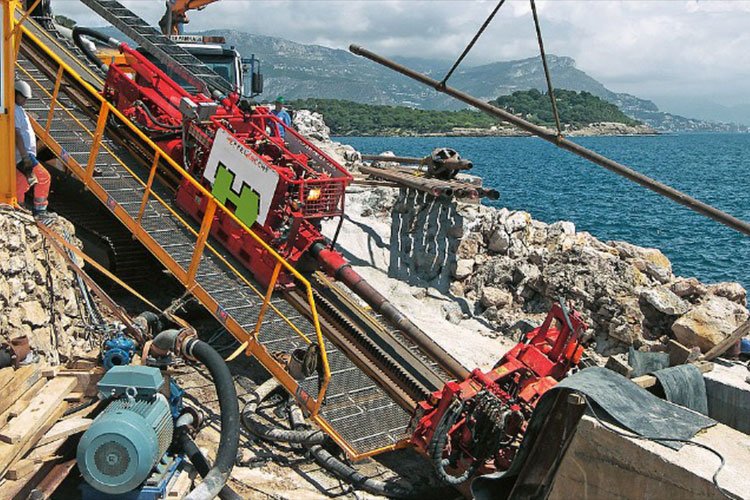
A reamer that is too big or too heavy for the drill rod string you are running
A reamer that doesn’t center well so it wants to wobble rather than cut
Drill rod length mix or worn joints Yes, guys, it does matter
Hole and formation rotating too fast
Bad fluid flow, so the cuttings pack and the reamer starts to fight the hole
Rods that are bent, threads that are worn, shoulder damage that never got checked
Here’s the thing. The drill rod is your power transmission line. It’s not just pipe.” It takes torque, thrust, pullback, bending and a surprising amount of abuse. When the reamer kicks back a funny load, the rod feels it first. Then the threads feel it. And right in the budget. Your maintenance man feels it last.
The fingerprint of mis-match is uneven wear.
I like the look of worn rods. Not because I’m weird—well, okay, maybe a little—but because wear patterns tell a story. If your rods are wearing evenly all the way around, great. If they’re wearing on one side, or the threads are polishing in one spot, or the joints are getting loose faster than they should—don’t blame the rod.
Some patterns I’ve seen:
Rod body wear one side: usually a centering or alignment issue. The reamer or rod string is off center.
Thread shoulder wear and galling. Vibration, poor make up, dirty threads or mismatched joint condition may cause this.
Joint wobble: worn out threads, mixed rods or a reamer that is demanding more from the string than it can comfortably give.
Uneven reamer cutting Sometimes the reamer is just too heavy, poorly stabilized, or not right for the formation.
And my personal favorite: “The rods are junk.” I show up, look at the reamer and think, “Your reamer weighs more than my first car, pal.” The rods are not innocent, but they are not the main suspect, either.
A brief story from the trenches
A while back a crew called me up saying their drill rods were wearing out too fast. They were convinced that they had a bad batch. I asked a few questions — that’s what we technical sales guys do — and then I drove out.
The rods were wearing on the one side. The threads looked worn. The rig operator called the vibration “not that bad.” The reamer was a big heavy thing and it was hanging off a rod string that was, shall we say, really not meant for it. They were also running higher rotation than I would have wanted and the reamer wasn’t well centered.
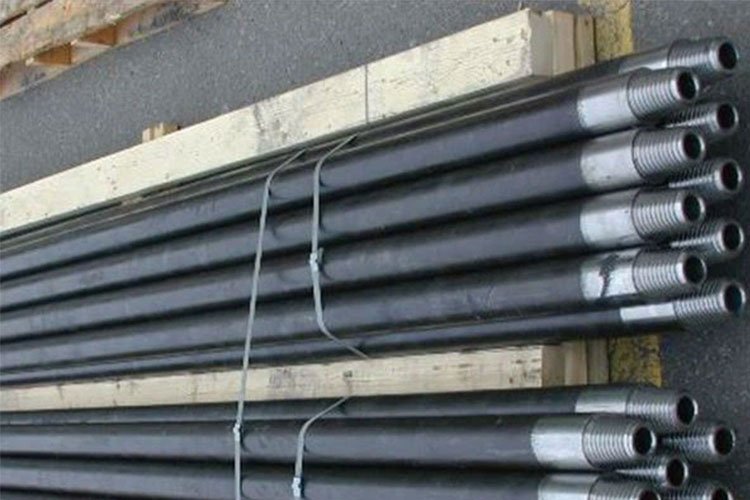
We didn’t do magic. We inspected the rod string, pulled out the worst joints, changed the reamer string out to something better matched to the hole and the rod, added better centering, and backed off the rotation a bit. The vibration stopped. The wear pattern was better. The customer stopped calling me about “bad rods” and began calling me about fishing. Kidding. Sort of.
That’s the thing. Matching isn’t about selling you the priciest reamer or beefiest rod on the shelf. It’s about finding the right combo for your rig, your hole, your formation, your pullback plan.
My simple matching list
I am not going to give you a magic formula because there is no such thing. But here’s what I would check:
Reamer size, pilot hole and rod string
Don’t just jump up in reamer size because, “bigger is better”. Your drill rod needs to take the torque and pullback without flailing.
Reamer weight and centreing
A heavy reamer on a light string can act as a pendulum. Centering and stabilizing ourselves is more important than most people think.
Rod status
Check threads, shoulders, straightness and wear. Mixing new and old rods can be a little vibration party.
Rotation speed and pull-back speed
If it is shaking, slow down and see what is different. Sometimes the hole is telling you you’re too aggressive.
Cuttings and drilling fluid
Bad mud flow can make the reamer work harder and load the string uneven. Don’t forget mud guy. He knows stuff.
Formation
Rock, clay, sand, cobble, they all act different. A reamer that is a gem in one can be a headache in another.
So what does this mean?
Your drill rod and reamer are a matched pair. Think of them as a couple. Seeing vibration or uneven wear? Don’t necessarily blame the rod – and don’t just live with it. Look at the whole system. Inspect the reamer, the rod string, the centering, the fluid and the operating parameters.
And if you don’t know, ask. I would much rather have a five minute chat with you now than see you buy a new set of rods because a mismatched reamer ate the old ones. Been there, done that, bought the T-shirt.
Is your wear pattern weird or your rig shaking more than it should? Send me a picture. I love a good mystery. Especially one that ends with you getting smoother pullback and longer rod life.
SHARE:
More Posts for You
- Horizontal Directional Drilling Tools: How to Compare Drill Rod and Backreamer Quotes
- 6 Warning Signs Your HDD Drill Rod Is Failing (Before It Breaks Downhole)
- HDD Drill Pipe S135 1.32″ x #200 for Vermeer D6x6 Navigator

- HDD Drill Rod ID and Flow of Drilling Fluid: The Importance of Inside Diameter
- How to Budget for HDD Drill Rods: Plan Replacements Based on Wear Rates
- HDD Drill Rod and Reamer Matching: Preventing Vibration and Uneven Wear

- Developing a Smarter HDD Drill Rod Procurement Strategy: From Line Item to Performance Spec
- Which one lasts longer, one-piece forged drill rod or friction-welded drill rod?