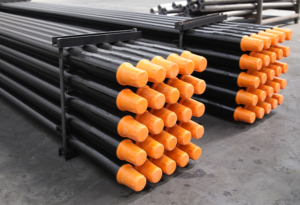
Hey, friend — let’s talk about something that sounds boring but silently devours your profit margin: drill rod budgeting.
I have been selling HDD drill rods for about 5 years now and have had this same conversation more times than I can count:
“My rods still look good. Why would I budget for replacements?”
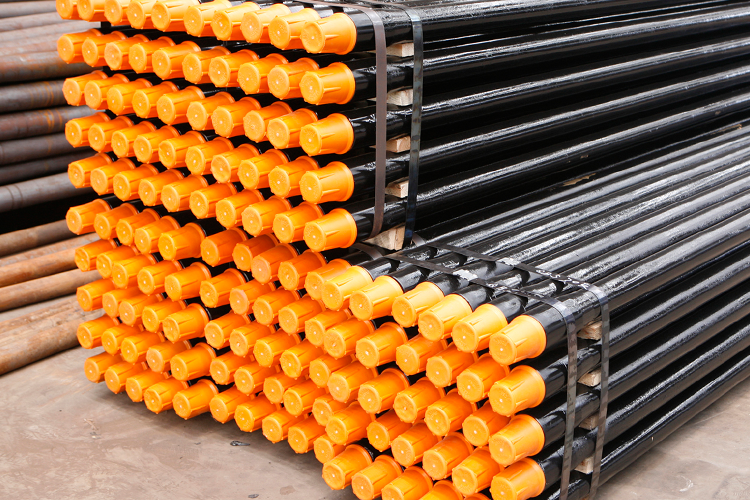
Then three weeks later I get the panic call. A rod broke downhole, the reamer is stuck and the project schedule just went up in smoke. And I’m standing there and I’m thinking, yep, this is exactly what we talked about.
So let’s discuss replacement planning based on wear rates – the unvarnished truth. Just practical stuff I learned from customers, shop guys and a few hard lessons.
The number you probably aren’t tracking is wear rate
All drill rods wear out. That’s no news. What people are surprised by is how fast it wears depends on a bunch of things you’re already dealing with every day:
Soil conditions – river rock and abrasive sand will chew up a rod much faster than soft clay.
Drilling fluid Good mud keeps things cool and clean; bad mud turns your rod into a grinding wheel
Torque and push force – the more aggressive the drilling the more stress on the joints and body.
Bent rods One bad bend and the wear pattern gets ugly quick
Thread condition — Dirty threads or incorrect make-up torque will kill a joint before the body even approaches retirement
My advice to customers is always: don’t guess. Measure A simple OD reading on the rod body and the joint plus a look at the threads tells you more than “it looks fine.”
And please measure the same spot each time. I’ve watched guys look at the shiny part by the box, then look at a worn spot by the pin and wonder why their numbers are all over the place. Choose reference points. Write them. Be boring with it. Boring saves money.
How I’d actually build a replacement budget
Here’s the short version I tell customers:
- Track footage, not time.
A rod on the rack does not wear out. A rod that drills 30,000 feet in abrasive ground will Log the footage by rod or by line. - Take measurements of wear at regular intervals.
For most jobs, a reasonable checkpoint is every 1,000 to 2,000 ft. If the ground is abrasive and bad, check more often. Record OD at body, OD at joint and thread condition. - Work out your wear rate.
Let’s say you measure.010” of OD loss over 2000 feet. That’s 0.005 inch per 1,000 feet. Now compare that to the allowable wear limit from your rod maker. Divide the allowable wear remaining by your wear rate and you have a rough life left in feet . Is it flawless? Nope. But miles better than “I think they are still good. - Convert that to a budget number.
If you know you’re going to drill 80,000 feet this year and your rods are averaging so and so life, you can estimate how many rods you’ll need to replace. Multiply it by your cost per rod and boom you have a real budget line instead of surprise expense. - Add a “stupid stuff” buffer.
Because someone will back a rod over, or cross-thread a joint, or lose a string in the hole. I’ve seen it. You know it. Budget a little extra so you’re not robbing Peter to pay Paul.
A short story from the field
Last year I got a call from a customer who was bragging to me — he saved money by skipping a rod replacement cycle. “They still escaped fast,” he said. That’s fair.
Two months later he rang again. Downhole joint failure at a river crossing. They fished a day, broke the reamer and lost the timetable. It cost several times more to repair than it would have to buy new rods. And the best part? He knew the wear numbers were inching up. He just didn’t want to spend the money until it was “necessary.”
Oh okay. No one wants to buy drill rods if the old ones are still turning. But downhole failures are expensive in ways that don’t appear on the rod invoice. Lost time, crew overtime, angry clients and fishing tools. That stuff adds up.
“So now I just ask customers one question, ‘Do you want to budget for rods or do you want to budget for a fishing job?'” Most laugh. Then they begin to measure.
My checklist for your practical
If you’re doing HDD work and want to get ahead of rod replacement, this is what I’d do:
Simple rod log Keep Footage Ground condition Mud program OD readings Thread condition
Always measure at the same reference points.
“Watch the joints. They often tell the story before the body does.
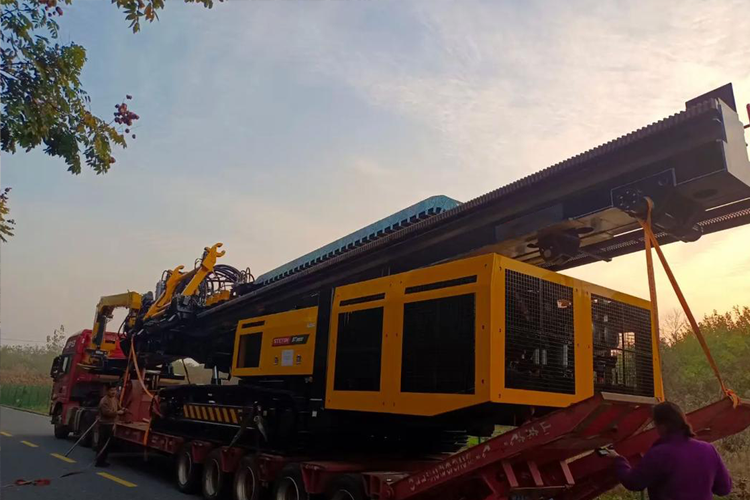
Don’t mix rods from different strings without tracking them. Gets messy
Don’t go by gut feeling – use manufacturer wear limits
Budget for footage and wear rate, not for ‘when it breaks’
Train your crew to flag bent rods, damaged threads, and abnormal wear – they see it first.
And one more thing. Don’t wait until the rod is at the absolute limit. A little cushion in your replacement plan costs less than a margin call from a failed crossing.
Last thought
Drill rod budgeting is not sexy. It’s callipers and log sheets and a spreadsheet nobody wants to change. But it’s one of the easiest ways to protect your project schedule and your reputation.
If you don’t know what wear rate you’re seeing or want a second opinion on your replacement plan, call me. I’m happy to walk through your numbers with you, no pressure, no lecture. Just a drill rod nerd who would rather help you plan than help you fish.
SHARE:
More Posts for You
- Horizontal Directional Drilling Tools: How to Compare Drill Rod and Backreamer Quotes
- 6 Warning Signs Your HDD Drill Rod Is Failing (Before It Breaks Downhole)
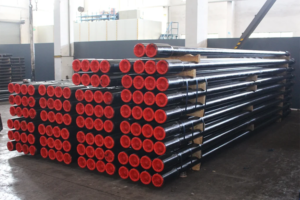
- HDD Drill Pipe S135 1.32″ x #200 for Vermeer D6x6 Navigator

- HDD Drill Rod ID and Flow of Drilling Fluid: The Importance of Inside Diameter
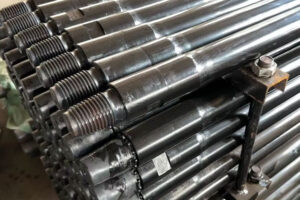
- How to Budget for HDD Drill Rods: Plan Replacements Based on Wear Rates
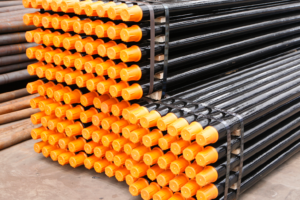
- HDD Drill Rod and Reamer Matching: Preventing Vibration and Uneven Wear
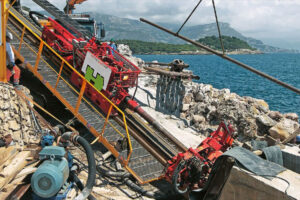
- Developing a Smarter HDD Drill Rod Procurement Strategy: From Line Item to Performance Spec
- Which one lasts longer, one-piece forged drill rod or friction-welded drill rod?